Pluchea chingoyo
Pluchea chingoyo
Description
Pluchea chingoyo is a perennial herb or subshrub belonging to the Asteraceae family. In agricultural science, this plant is recognized for its unique adaptation to harsh environments and the presence of valuable phytochemicals, which makes it a subject of interest for both pharmaceutical research and specialized cultivation.
The native range of this species is located in South America, particularly in regions of Peru and Chile. Having evolved in arid coastal and mountain zones, the plant displays remarkable resilience against environmental stressors, such as low rainfall and nutrient-poor soils, which defines its potential as a hardy agricultural crop.
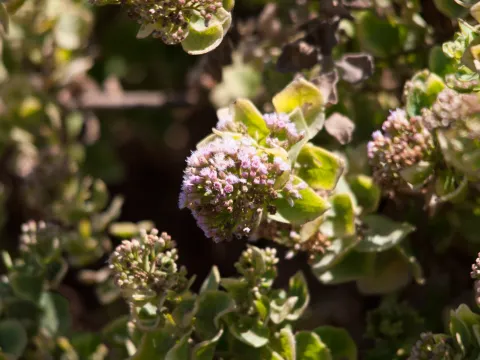
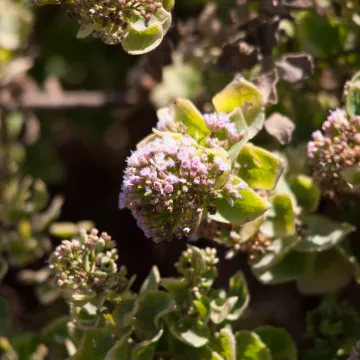
Botanically, Pluchea chingoyo is characterized by dense foliage with fine pubescence that reduces transpirational water loss. Its root system is deeply penetrating, allowing the plant to thrive where moisture is scarce. The inflorescences consist of small, dense flower heads that are typical for the Pluchea genus.
The cultivation of Pluchea chingoyo requires well-drained soils with neutral or slightly alkaline pH levels. Agrotechnical management centers on preventing waterlogging, which can lead to root rot. Providing sufficient sunlight is essential for the healthy development of the plant and for maximizing the concentration of secondary metabolites in its leaves.
The primary economic use of this crop lies in its pharmacological applications. Traditional medicine utilizes extracts from its parts due to their anti-inflammatory and antiseptic properties. Ongoing agricultural research focuses on optimizing harvesting techniques and enhancing the yield of bioactive compounds for commercial development.
- Excellent drought tolerance.
- Requirement for full sun exposure for optimal growth.
- Sensitivity to nitrogen over-fertilization.
- Requirement for well-aerated, loose soil structures.
Photo gallery