Indian camphorweed
Pluchea indica
Description
Indian camphorweed (Pluchea indica) is a resilient perennial shrub belonging to the Asteraceae family. Known for its remarkable salt tolerance, this species is increasingly recognized in sustainable agriculture as an effective candidate for reclaiming saline-affected soils where conventional crops fail to thrive.
Native to tropical and subtropical regions of Asia and Australia, the plant is typically found in coastal marshes, mangrove borders, and wetlands. Its natural evolution in harsh, saline environments has endowed it with physiological mechanisms that allow for high productivity despite challenging edaphic conditions.
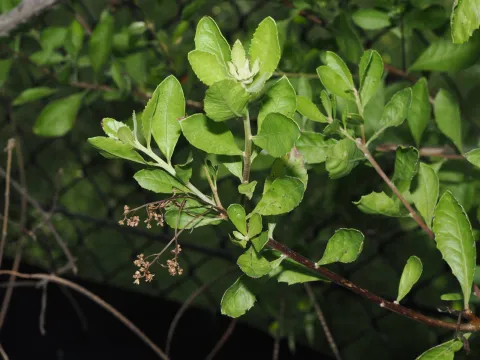
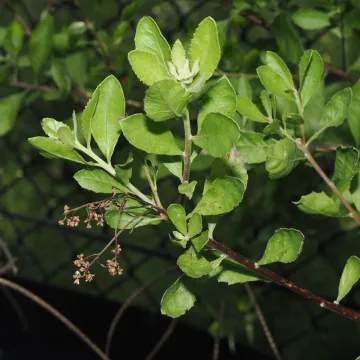
Botanically, the plant develops into a dense, multi-branched shrub, often reaching heights between 1.5 and 2 meters. Its leaves are simple, serrated, and slightly pubescent, providing a robust appearance. The small, lavender to pink flowers are clustered into corymbs, which support local pollinators and contribute to the biodiversity of the habitats where it is cultivated.
Agricultural management of Indian camphorweed is relatively straightforward, as it favors moist, well-lit environments. It does not require intensive fertilization, as it is adapted to nutrient-poor soils. Propagation is primarily achieved through stem cuttings, ensuring quick establishment in field trials aimed at coastal stabilization or soil remediation.
Beyond its ecological value, Pluchea indica serves as an important source of phytochemicals. In traditional practices, it is valued for its antimicrobial and anti-inflammatory properties. Modern agriculture explores its potential as a supplementary fodder crop and a source for organic bio-pesticides, making it a multifaceted plant for future agricultural developments.
- Extreme tolerance to salinity and alkalinity.
- Effective for soil erosion control in coastal regions.
- High biomass production potential in marginal lands.
- Rich in flavonoids, terpenes, and other bioactive compounds.
Photo gallery