Cenis bluegrass
Poa cenisia
Description
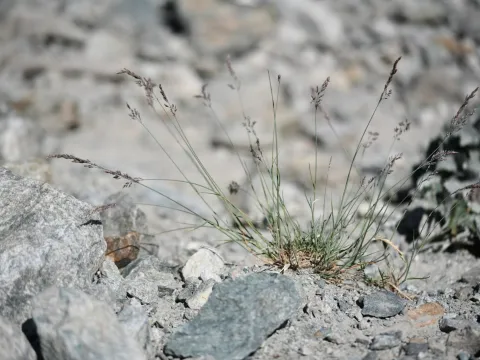
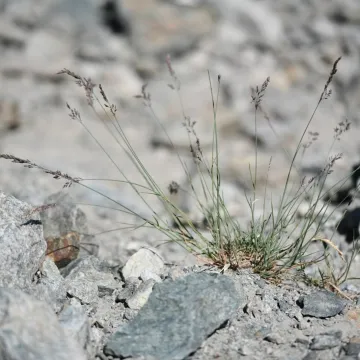
Cenis bluegrass (Poa cenisia) is a perennial grass species belonging to the family Poaceae. It is a specialized, cold-hardy plant naturally adapted to extreme alpine environments, where it serves as a crucial component of high-altitude grassland ecosystems.
The origin of this species is tied to the high-mountain ranges of Europe, specifically the Alps. It naturally occurs in rocky habitats, alpine meadows, and mountain slopes, areas characterized by thin soils and limited nutrient availability, where it thrives while outcompeting less hardy species.
Botanically, Cenis bluegrass is defined by its dense, tufted growth habit and narrow, folded leaves designed to reduce transpiration. The root system is fibrous and dense, allowing the plant to anchor itself firmly into substrate and effectively absorb moisture during the brief growing season.
The climate requirements for this plant are stringent, favoring cool temperatures, high solar radiation, and well-drained, nutrient-poor soil types. Agricultural management is usually extensive, focusing on the preservation of these grasses in grazing land rather than mechanical cultivation or sowing, as they do not tolerate soil disturbance well.
In agricultural practice, this grass is valued for its role in supporting livestock in mountainous regions. Despite a relatively low biomass production compared to lowland fodder crops, it provides excellent nutritional quality. Typical threats include fungal diseases caused by excessive moisture and overgrazing, which can destroy the delicate root mat.
Photo gallery