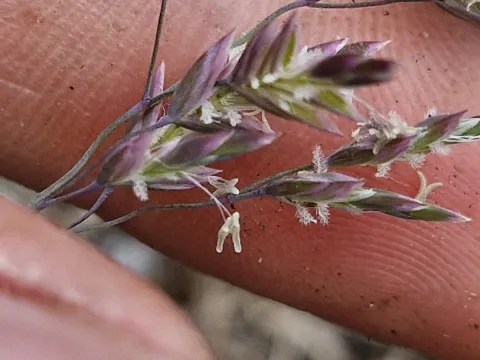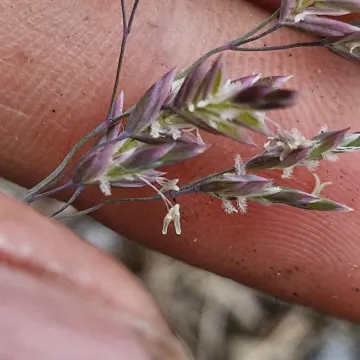
Blue tussock
Poa colensoi
Description
Blue tussock (Poa colensoi) is a perennial grass species belonging to the Poaceae family. Native to New Zealand, this species is widely distributed across subalpine and alpine grasslands. It is highly valued for its ability to thrive in challenging, high-altitude environments where temperatures are low and winds are strong.
Botanically, it is characterized by its compact, dense tufted habit, which helps it survive extreme weather conditions. The leaves are typically narrow, rigid, and possess a distinct bluish-green hue, making the plant a preferred choice for ornamental gardens and native planting schemes that require low-maintenance, hardy vegetation.
Regarding cultivation, Poa colensoi is well-adapted to well-drained, stony, or rocky soils. It is not highly demanding in terms of fertilizer, though it performs best in regions with moderate rainfall and cool summers. It is considered an excellent candidate for revegetation projects, particularly in areas where topsoil conservation is a priority.
Agricultural and land management uses are diverse. It is often utilized as a robust forage grass in hill-country farming, as it maintains nutritional value under grazing pressure. In the context of environmental engineering, its dense root network makes it an effective tool for preventing soil erosion on embankments and mountain roadsides.
While relatively pest-resistant, Poa colensoi may face challenges such as fungal pathogens in waterlogged soils. To maintain plant health, it is essential to ensure adequate site drainage. Furthermore, while it is drought-tolerant once established, young plants may require supplemental irrigation during prolonged dry spells to ensure successful root establishment.
Photo gallery