Glaucous meadow-grass
Poa glaucantha
Description
Glaucous meadow-grass (Poa glaucantha) is a perennial grass species belonging to the Poaceae family. This crop is recognized for its significant resilience and ability to thrive in demanding environmental conditions, making it a valuable resource for agricultural systems in high-latitude or high-altitude regions.
Originating from Arctic and subarctic climates, as well as alpine environments across Eurasia and North America, this plant is well-adapted to short growing seasons. Its geographic range highlights its utility in areas where conventional forage crops may struggle to establish or maintain density.
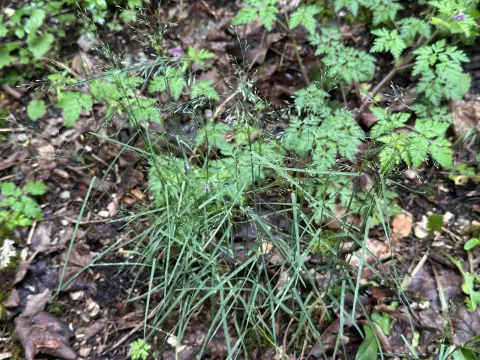
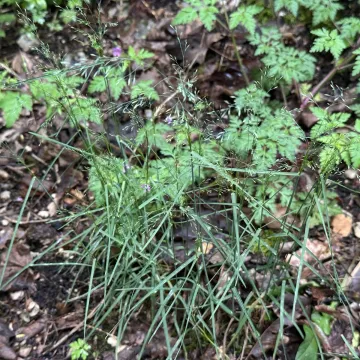
Botanically, the plant forms dense tufts or tussocks with narrow, glaucous leaves that give it a distinctive blue-grey appearance. The root system is fibrous and deep-reaching, which helps the grass anchor itself in diverse soil types and efficiently absorb nutrients in harsh, nutrient-poor conditions.
In terms of agricultural management, Glaucous meadow-grass requires well-drained soils to prevent root rot. It is highly tolerant of cold temperatures and demonstrates decent drought resistance once established. Maintaining adequate soil fertility is beneficial, although the species is notably frugal compared to more demanding meadow grasses.
Its primary agricultural use is as a forage crop for livestock grazing and hay production. Due to its durability, it is frequently included in seed mixtures for grassland restoration, land reclamation, and pasture improvement projects in mountainous or northern pastoral farming regions.
- Monitor for rust fungi and powdery mildew in high-humidity seasons.
- Implement proper drainage to avoid waterlogged conditions.
- Avoid overgrazing to maintain the structural integrity of the root system.
Pest management involves regular scouting for cereal leaf beetles and stem-boring insects. Chemical control is generally reserved for severe outbreaks, while cultural practices such as rotational grazing and regular clipping help mitigate the risk of pathogen spread and improve overall stand health.
Photo gallery