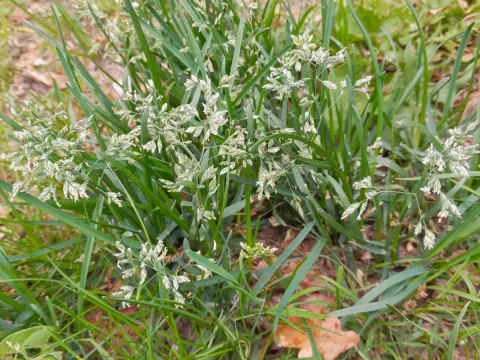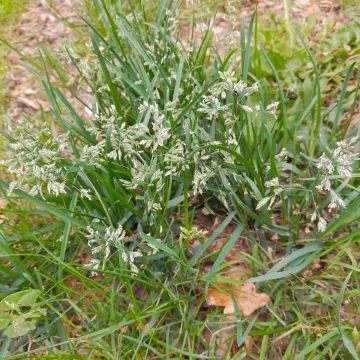
Spreading meadow-grass
Poa humilis
Description
Spreading meadow-grass (Poa humilis) is a perennial grass species belonging to the Poaceae family. This species is recognized for its hardiness and adaptability to cool temperate climates. As an agricultural crop, it serves as a valuable constituent in permanent pastures and meadows, offering resilience against grazing pressure and environmental stressors compared to more sensitive forage species.
The native range of this species extends throughout northern and central Eurasia. It is well-adapted to varied terrains, including meadows, mountain slopes, and forest clearings. Over time, its ability to thrive in diverse soil conditions has made it a subject of interest for sustainable agriculture, particularly in regions where environmental extremes limit the growth of more common commercial grass varieties.
Botanically, the plant is characterized by its tufted growth habit and distinct bluish-green (glaucous) foliage, which gives the species its specific name. The leaf blades are narrow, flexible, and maintain nutritional quality throughout the vegetative season. Its root system is fibrous and dense, providing excellent soil binding properties and helping the crop endure periods of moderate drought once the stand is fully established.
Agronomic requirements are focused on providing well-drained soil with adequate nitrogen availability to maximize biomass production. While the plant can tolerate slight soil acidity, optimal growth is achieved in loamy soils with moderate moisture retention. Proper management requires careful timing of fertilization and grazing to prevent stand thinning. Unlike some other meadow grasses, it demonstrates a balanced growth rate, making it predictable for grazing management plans.
The agricultural and economic utility of the species is multifaceted:
- Utilized as a primary component in long-term grazing pastures for livestock.
- Valued for hay production, providing high-quality forage that is palatable to cattle and sheep.
- Used in erosion control projects to stabilize embankments and degraded landscapes.
The primary threats to crop health include fungal pathogens such as rust and powdery mildew, which typically appear during periods of prolonged high humidity. Insect pests, including aphids and various grass-feeding larvae, may occasionally impact yields. Agricultural best practices, such as maintaining optimal stocking rates and regular sward rotation, are essential for keeping the grass healthy and resilient against potential disease outbreaks.
Photo gallery