Alkali bluegrass
Poa juncifolia
Description
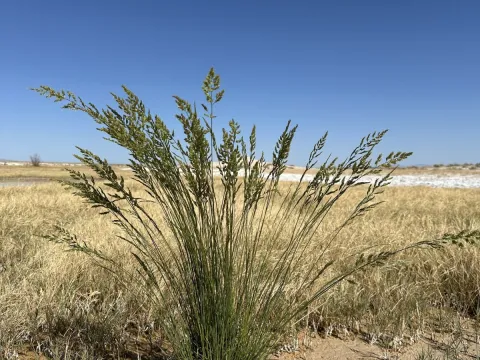
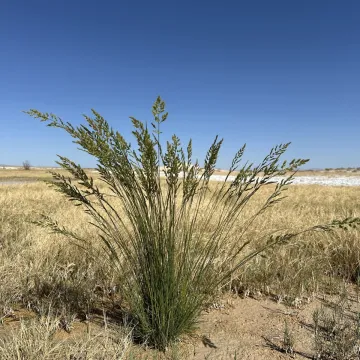
Alkali bluegrass (scientific name Poa juncifolia) is a perennial grass species belonging to the Poaceae family. It is widely recognized by agronomists for its exceptional tolerance to extreme environmental conditions, particularly saline and alkaline soils where other crops struggle to establish.
The plant is native to the western regions of North America, where it thrives in arid and semi-arid environments. Its range of cultivation has expanded to various dryland farming areas globally, specifically where water scarcity and soil salinity are primary limiting factors for traditional agriculture.
Botanically, this species is characterized by its bunchgrass growth habit, featuring narrow, stiff leaves that resemble the foliage of rushes. It possesses a dense and deep fibrous root system, which is crucial for its survival during prolonged droughts and provides excellent soil stabilization properties.
Regarding climate and soil requirements, Poa juncifolia performs best in full sun. It is highly valued for its ability to grow in soils with high pH levels and high mineral salt concentrations. Agronomic management involves site preparation that ensures good soil contact at sowing, followed by low-input maintenance once the stand is established.
The primary agricultural uses include livestock forage and land restoration efforts, particularly for stabilizing soils susceptible to wind and water erosion. While the plant is generally hardy, it should be monitored for common grass pests such as wireworms or rust fungi during particularly humid growing seasons.
- Excellent salt tolerance
- Deep-rooting drought resilience
- Ideal for soil erosion control
- Nutritious forage for livestock
Photo gallery