Poa labillardierei
Poa labillardierei
Description
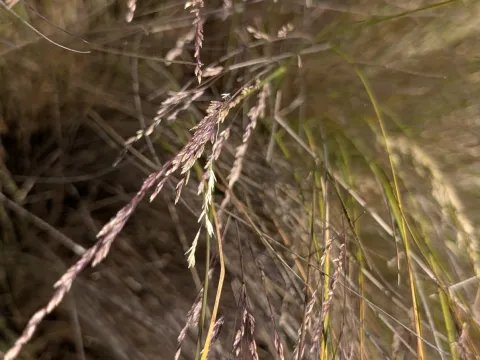
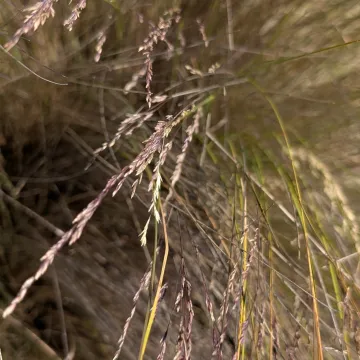
Poa labillardierei, commonly known as the common tussock grass, is a perennial herb belonging to the Poaceae (grass) family. This species is highly valued for its striking, blue-green foliage and dense, clumping growth habit, making it an essential plant for both ecological restoration and modern ornamental landscapes.
The plant is native to Australia, where it thrives across various temperate regions. It is typically found in moist grasslands, meadows, and near watercourses. Its natural distribution demonstrates its impressive resilience to variable soil conditions and fluctuating weather patterns, which has facilitated its spread into diverse agricultural and horticultural settings.
Botanically, Poa labillardierei is characterized by its stiff, narrow leaves that form a symmetrical tussock. During the flowering stage, the plant produces tall, slender panicles that can reach significant heights. The root system is fibrous and deep, which not only anchors the plant securely but also improves soil structure and water retention in the surrounding area.
Cultivation requirements for this grass are relatively straightforward. It prefers full sun exposure but can tolerate partial shade. While it is adaptable to a wide range of soil types, it performs best in well-drained, nutrient-rich soils. Maintenance involves regular watering during the establishment phase and occasional cutting back of old foliage to encourage healthy new growth.
Key areas of application include:
- Sustainable landscaping and urban green infrastructure projects.
- Erosion control on embankments and disturbed land sites.
- Restoration of native grassland ecosystems.
- Use in fodder systems in appropriate climatic zones.
The plant is generally robust, but it can be susceptible to fungal diseases such as rust or leaf spot when grown in poorly ventilated or excessively humid conditions. Pests like aphids or spider mites may occasionally affect foliage. Proper spacing and careful irrigation management are critical to minimizing these risks and ensuring the long-term health of the crop.
Photo gallery