Poa ligulata
Poa ligulata
Description
Poa ligulata is a perennial grass species belonging to the Poaceae family. It is a specialized, resilient grass adapted to challenging ecological niches, primarily found in high-altitude regions where its biological traits allow it to thrive in nutrient-poor and rocky environments.
The plant is native to mountainous terrains in the Americas, where it has adapted to semi-arid conditions. Its range of cultivation is largely defined by high-elevation zones where temperature fluctuations are significant and moisture availability is seasonal. These regions rely on such species to maintain ecosystem stability.
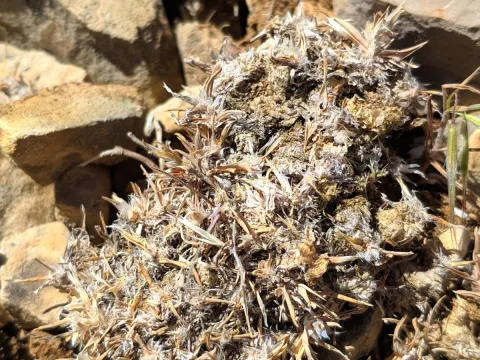
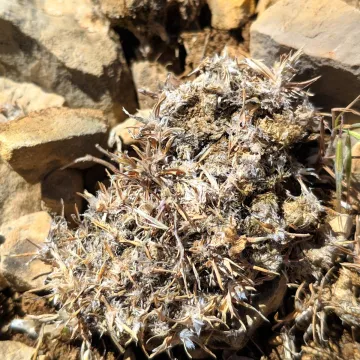
Botanically, Poa ligulata is characterized by its prominent ligule, a feature that distinguishes it from many other Poa relatives. The plant forms compact clumps, which protect the root crown from extreme environmental stressors. Its growth habit is prostrate to semi-erect, allowing it to withstand harsh winds and cold temperatures common in its native habitat.
In terms of agricultural requirements, this species prefers well-drained, sandy or stony soils. It does not demand heavy fertilization, making it a low-input crop suitable for extensive management.
- Requires minimal water after establishment.
- Thrives in pH levels typical for mountain soils.
- Excellent resistance to soil erosion on slopes.
The primary agricultural use of Poa ligulata is for soil stabilization and as a hardy component of natural mountain pastures. Typical diseases include rust and powdery mildew, which appear during abnormally humid seasons. Insect pests, such as grass aphids and larvae of lepidoptera, are the main threats that require monitoring to maintain pasture productivity.
Photo gallery