Nevada bluegrass
Poa nevadensis
Description
Nevada bluegrass (Poa nevadensis) is a perennial grass species belonging to the Poaceae family. This species is highly valued as a native range grass, known for its ability to thrive in diverse and often harsh environmental conditions across its native habitat.
The plant originates from the mountainous regions of Western North America, particularly throughout Nevada and the neighboring regions of the United States. Its natural distribution is characterized by mountain meadows, open slopes, and forest clearings where it forms an essential part of the local grassland flora.
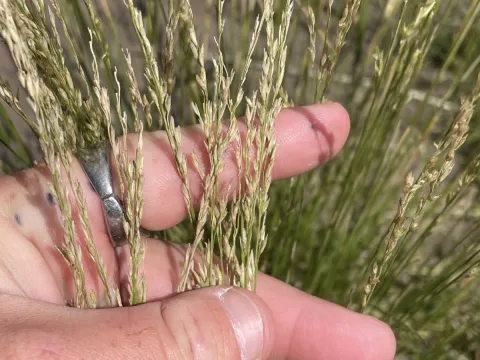
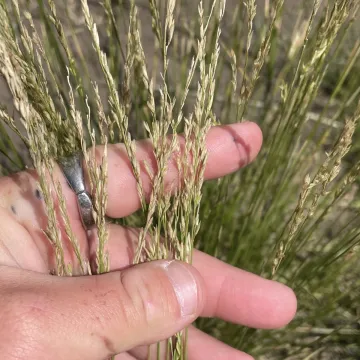
Botanically, this grass is recognized by its bunch-forming growth habit and slender, basal leaves. The culms are typically erect and slender, rising to a height of 60–90 cm. The inflorescence is a narrow, compressed panicle, which supports effective seed dissemination during the summer growing season.
Regarding cultivation requirements, Nevada bluegrass prefers well-drained, fertile soils but exhibits remarkable drought tolerance once established. The agronomic management should focus on maintaining soil aeration and avoiding waterlogged conditions, which can lead to root system degradation and reduced plant vigor.
The primary agricultural use of this grass is for livestock grazing and hay production. It is highly palatable during the early vegetative stages, providing high-quality forage for sheep and cattle. Like many grasses, it is susceptible to rust diseases and infestations by various insect pests, necessitating standard management practices for crop protection.
Photo gallery