Poa perconcinna
Poa perconcinna
Description
Poa perconcinna is a perennial grass species belonging to the Poaceae family. Known for its resilience and adaptability, this species is a significant component of alpine and subalpine meadows, serving as a reliable source of biomass in environments characterized by short growing seasons.
The native range of this species is primarily centered in the high-altitude regions of Central Asia. Poa perconcinna has evolved to survive in demanding mountainous climates, where it often dominates the local landscape due to its superior competitive ability compared to other ephemeral grass species. Its natural habitat is typically characterized by well-drained slopes and meadows.
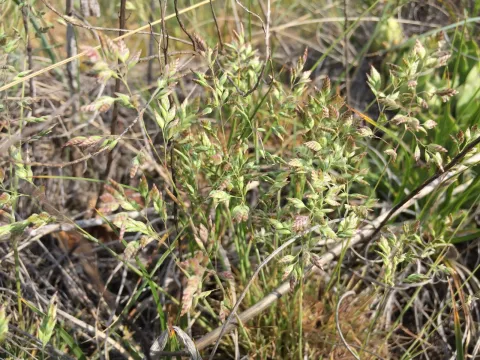
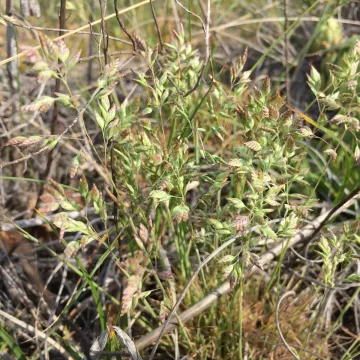
Botanically, the plant develops dense tussocks, which provide excellent protection against wind erosion and mechanical pressure from livestock. The leaves are narrow and firm, showing a distinct physiological response to high solar radiation common in its habitat. The root system is extensive, allowing for effective nutrient and water uptake from sparse, stony soils.
Cultivation requirements involve selecting sites with good drainage and proper air circulation. While the plant is drought-tolerant, its productivity increases significantly with balanced soil fertility. Agricultural management of Poa perconcinna focuses on rotational grazing to prevent overgrazing and maintain the vigor of the turf. In commercial settings, minimal fertilizer application is usually sufficient to support established stands.
The primary economic value of this grass lies in its role as a high-quality forage plant for grazing animals. It maintains its nutritive content well into the season, providing a stable source of feed. Additionally, it is frequently employed in ecological restoration projects for its ability to stabilize soil and prevent landslides on steep terrain, demonstrating its importance in sustainable land management.
- Excellent nutritional profile for forage
- High tolerance to grazing and trampling
- Effective soil stabilization properties
- Adaptability to high-altitude and rocky soils
Photo gallery