Spheroid bluegrass
Poa sphondylodes
Description
Spheroid bluegrass (Poa sphondylodes) is a perennial grass species belonging to the Poaceae family. It is recognized as a resilient and productive forage crop, well-adapted to varied environmental conditions and known for its capacity to establish healthy, dense stands in diverse temperate ecosystems.
The plant originates from East Asia, where it is found in wild pastures and meadows. Its ability to tolerate fluctuations in moisture and temperature makes it a subject of interest for agricultural programs looking to introduce stable and hardy forage varieties that can withstand both cold winters and dry summer spells.
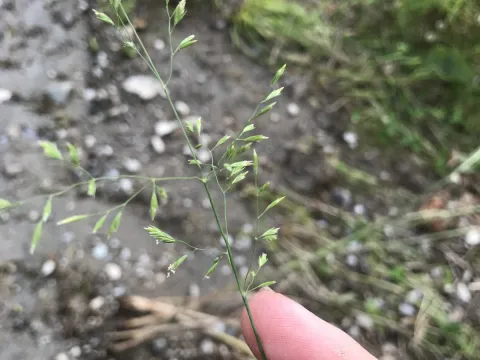
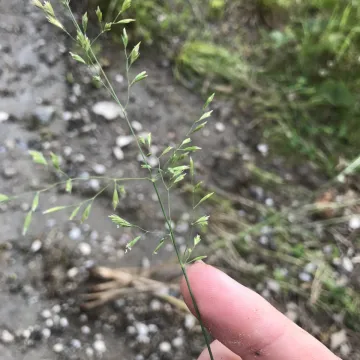
From a botanical perspective, Poa sphondylodes exhibits a bunch-type growth habit, forming dense tufts. Its leaves are slender, and the inflorescence consists of a characteristic panicle, typical of the bluegrass genus. The root system is fibrous and deep, which facilitates water absorption and enhances soil stability in grazing fields.
Cultivation requirements favor fertile, well-draining soils with a neutral pH. Agronomic practices for this crop should prioritize proper seedbed preparation and precision sowing, as the seeds are small. Fertilizer management, particularly ensuring adequate nitrogen levels during the early growth phase, is critical for achieving optimal biomass production.
In terms of agricultural utility, this species is primarily used for livestock forage. It is appreciated by farmers for its high nutritional density and palatability for cattle and sheep. Furthermore, its persistent nature makes it an excellent choice for erosion control projects in degraded rural areas and for long-term pasture restoration.
- Excellent nutritional quality for grazing animals.
- High tolerance to environmental stress.
- Effective soil stabilizer in erosion-prone areas.
- Rapid recovery after harvesting or grazing.
The most common disease threats include fungal pathogens like rust or powdery mildew, typically appearing during high-humidity seasons. Pests such as aphids or soil-dwelling larvae can also impact yield. Implementing integrated pest management (IPM) strategies, including proper grazing intervals, is the most effective way to maintain crop health.
Photo gallery