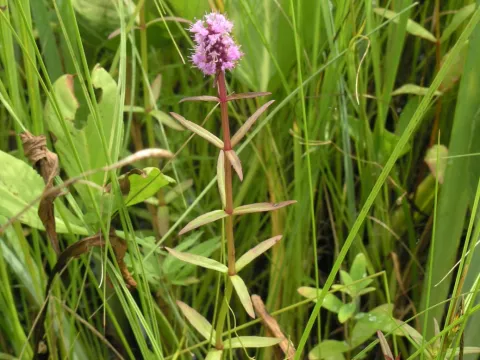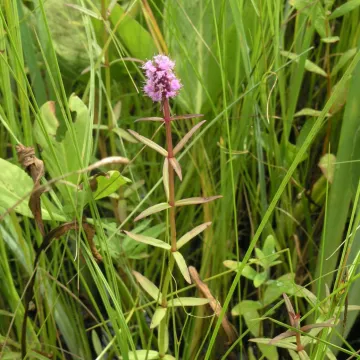

Pogostemon yatabeanus
Pogostemon yatabeanus
Description
Pogostemon yatabeanus is a perennial herbaceous plant belonging to the Lamiaceae family. Often overlooked in favor of more common aquarium species, this plant provides distinct structural qualities to aquatic landscapes. It is a highly specialized species that displays significant phenotypic plasticity, allowing it to transition between terrestrial and aquatic environments.
The plant originates from East Asia, specifically regions within Japan. Its natural habitat includes wetlands, riverbanks, and marshy meadows, where it thrives in moisture-rich soils. Understanding its native range is crucial for replicating the environmental conditions required for successful cultivation in greenhouses or aquarium setups.
Botanically, Pogostemon yatabeanus features robust, upright stems adorned with serrated leaves arranged in pairs. Its physiological adaptation to different light levels is a key feature, as it alters its leaf pigmentation to optimize photosynthesis. The root system is relatively shallow but highly efficient at absorbing nutrients from nutrient-dense substrates.
Cultivation requires strict adherence to environmental parameters. The plant prefers slightly acidic to neutral water parameters (pH 6.0–7.5) and a nutrient-rich substrate. High-intensity lighting is essential to prevent etiolation (stretching of the stems). During the growth phase, periodic fertilization with micronutrients, especially iron, is highly recommended for healthy coloration.
Primarily utilized in aquascaping to provide mid-ground or background texture, the plant is valued for its aesthetic appeal. Typical health issues include leaf necrosis, often caused by nutrient imbalances or stagnant water conditions. Pests are minimal in aquatic environments; however, in terrestrial or paludarium cultures, it is susceptible to aphids and fungal pathogens related to excessive humidity without proper air circulation.
Photo gallery