Nodding thread-moss
Pohlia nutans
Description
Nodding thread-moss (Pohlia nutans) is a prominent species of moss within the Bryaceae family. While it is not an agricultural crop, it is a significant element of natural vegetation, widely recognized by botanists and ecologists for its role in primary colonization of disturbed soils and its presence in various diverse ecosystems worldwide.
The species possesses a remarkably cosmopolitan distribution, being found across the Northern and Southern Hemispheres. It is common in boreal forests, tundra regions, and alpine zones. This moss is frequently observed growing on acidic soil, decaying logs, peat bogs, and in areas prone to natural disturbances, such as forest fire sites.
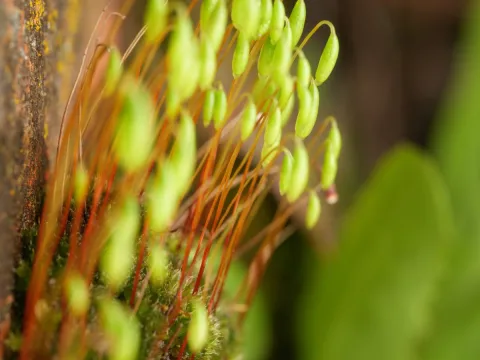
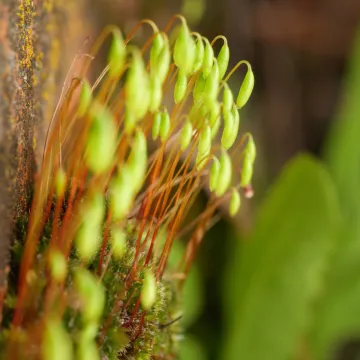
Botanically, Pohlia nutans forms dense, cushion-like mats that appear light green or yellow-green. The shoots range from 1 to 5 centimeters in height. The most diagnostic feature of this species is its pendulous (nodding) capsule, which is supported by a relatively long, reddish seta. The leaves are typically lanceolate and remain pressed to the stem when dry.
This plant thrives in moist, acidic environments and demonstrates excellent resilience against variable climate conditions. It is classified as an opportunistic, pioneer species, meaning it can quickly establish itself in habitats where soil conditions are too acidic or low in nutrients for many vascular plants to survive.
The practical application of this moss is mainly in environmental monitoring, as it serves as a reliable bioindicator of soil acidity and moisture levels. It does not suffer from typical crop pests or diseases. Its conservation depends on maintaining the integrity of peatlands and woodland areas, which are its primary habitats.
Photo gallery