Polanisia maculata
Polanisia maculata
Description
Polanisia maculata, commonly known as a type of clammyweed, is an annual herbaceous plant belonging to the Capparaceae family. In recent botanical studies, it is often classified within the Cleomaceae family. This crop is noted for its ecological flexibility and potential for cultivation in arid, sandy environments where traditional crops might fail.
Originating from North America, this plant is naturally found in prairies, riverbanks, and sandy fields. Its distribution indicates a high tolerance for varying temperatures and specialized soil conditions. In agricultural terms, it is recognized as a hardy species that can serve as a component in regenerative agriculture and soil stabilization projects.
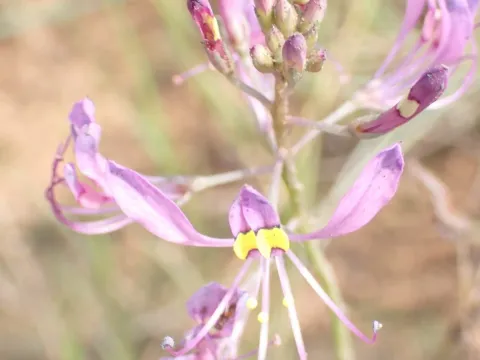
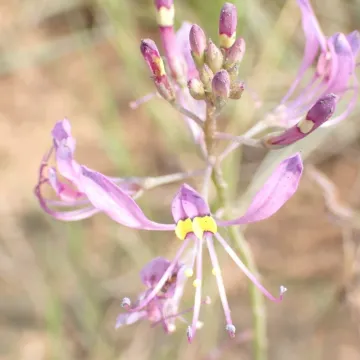
Botanically, Polanisia maculata features a branching stem with trifoliate leaves that feel somewhat sticky or glandular. The flowers are distinctive, characterized by long, showy stamens that give them a spider-like appearance, which makes them highly attractive to bees and butterflies. The fruit is a silique-like capsule containing numerous small, dark seeds.
Climate and soil requirements are essential for successful production: the plant thrives in full sun and requires well-drained, sandy, or gravely soils. Agronomic practices involve seeding in the spring when soil temperatures allow for rapid germination. Since it is highly drought-tolerant, it requires minimal irrigation, making it an economically efficient option for marginal lands.
Potential agricultural and industrial uses for this crop include:
- Pollinator habitat enhancement for commercial agriculture.
- Soil erosion control on steep slopes or degraded fields.
- Ornamental use in xeriscaping and sustainable garden design.
- Research into seed oil composition for bio-based industrial applications.
In terms of plant health, Polanisia maculata is generally robust but can suffer from fungal pathogens if moisture levels remain high for extended periods. Common pests include various leaf-feeding beetles and aphids that may target the young growth. Proper spacing and ensuring adequate soil aeration are the best strategies to manage disease risks without excessive chemical intervention.
Photo gallery