Polycarpaea repens
Polycarpaea repens
Description
Polycarpaea repens is a perennial herbaceous plant belonging to the Caryophyllaceae family. In agricultural terms, it is recognized as an effective soil-binding species, primarily utilized in desert reclamation projects. The plant is noted for its exceptional physiological resilience, which allows it to thrive in nutrient-poor and high-temperature environments.
Originating from the arid zones of Northern Africa and the Middle East, the plant has evolved to dominate sandy and rocky ecosystems. Its natural range encompasses vast regions where water availability is extremely limited. Its cultivation is strategically focused on restoring degraded lands and stabilizing loose soils that are susceptible to wind erosion.
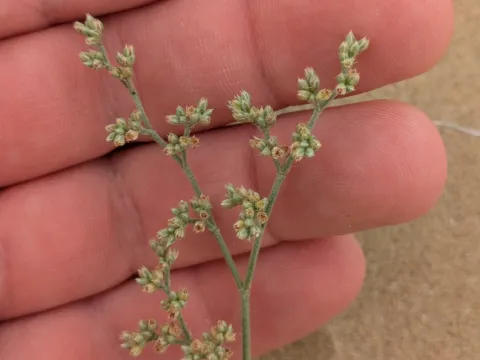
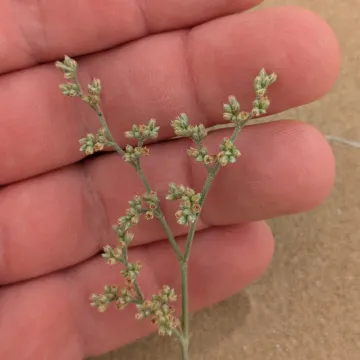
Botanically, Polycarpaea repens is characterized by its prostrate growth habit, forming dense mats that protect the soil surface from direct solar radiation. The plant possesses small, specialized leaves that help regulate water loss through transpiration. Its reproductive system is highly efficient, allowing it to colonize challenging environments with relative ease.
Climate and soil requirements for this species are specific: it thrives in well-drained, sandy substrates with low organic matter. It demands full sun exposure and cannot withstand prolonged periods of high humidity or poor aeration in the rhizosphere. Proper soil management involves ensuring a coarse soil texture that mimics its native desert habitat.
Economic uses of Polycarpaea repens include:
- Soil stabilization in arid farming regions.
- Reduction of wind-blown dust and sand movement.
- Potential use as a ground cover in xeriscaping projects.
Regarding health management, the plant is relatively robust against common agricultural pests, though it remains susceptible to fungal root pathogens in excessively wet conditions. Disease control strategies prioritize proper drainage and avoiding over-irrigation. There are no major documented commercial pests that cause catastrophic damage to this species under natural or managed desert conditions.
Photo gallery