Polycarpon robbairea
Polycarpon robbairea
Description
Polycarpon robbairea is a plant species belonging to the Caryophyllaceae family, known for its resilience and adaptation to harsh environments. As an agricultural object, it is primarily studied for its ability to thrive in arid climates where water resources are scarce and soil conditions are challenging. Its taxonomic classification reflects its place within a group of plants highly specialized for survival in desert-like conditions.
The plant originates from the Mediterranean region and North Africa, where it has evolved to withstand intense solar radiation and irregular rainfall patterns. It is predominantly found in rocky, sandy, and nutrient-poor soils, which explains its high physiological flexibility. The species is well-adapted to habitats where many other cultivated crops would fail to establish or reach maturity.
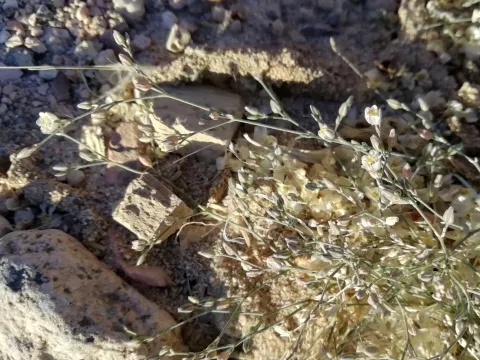
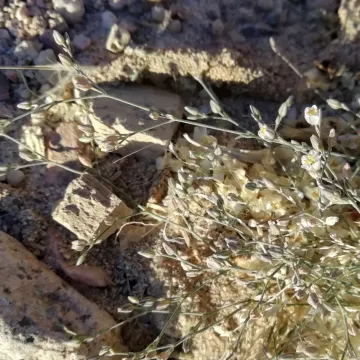
Botanically, Polycarpon robbairea features a prostrate growth habit, characterized by branched stems and small, compact leaves that reduce transpiration. Its root system is deep and efficient, allowing the plant to reach moisture stored in the lower soil horizons. The flowers are small, typical of the Caryophyllaceae, and the plant produces a significant amount of seeds, ensuring population regeneration under unpredictable climatic cycles.
Cultivation requirements for this species include excellent drainage and high sun exposure. It is crucial to prevent soil compaction and waterlogging, as these conditions are detrimental to the plant's health. In terms of nutrition, Polycarpon robbairea does not require high levels of nitrogen fertilization; instead, it thrives on balanced mineral content in the soil. Proper spacing is necessary to facilitate air circulation and minimize the risk of pathogen accumulation.
The primary utility of this plant lies in land restoration, sand stabilization, and potential use as a genetic resource for breeding programs focused on drought resistance. Common pests and diseases are minimal due to the plant's robust nature, but growers should be vigilant for root rot in poorly drained areas. Its potential in sustainable agriculture remains a subject of ongoing research and experimental field trials.
Photo gallery