Polydora angustifolia
Polydora angustifolia
Description
Polydora angustifolia is a perennial herbaceous plant belonging to the Asteraceae family. Often taxonomically associated with the genus Vernonia, this plant has gained attention as a specialized agricultural resource in tropical regions. As a resilient species, it represents a subject of increasing interest for researchers focusing on underutilized crops suitable for challenging environmental conditions.
The plant is native to tropical Africa, naturally inhabiting savanna landscapes and open woodland areas. Its distribution is closely tied to regions characterized by specific thermal regimes and distinct wet-dry cycles. Because of its evolutionary adaptation to these habitats, Polydora angustifolia shows significant potential for cultivation in areas with similar climatic profiles where soil fertility and moisture management are critical constraints.
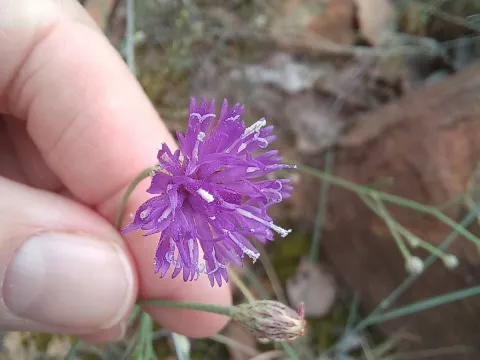
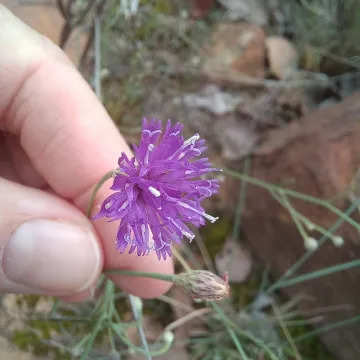
Botanically, the species is defined by its slender, lanceolate foliage and upright stems, which contribute to its overall structural integrity. The inflorescences appear as small, composite flower heads, a hallmark of the Asteraceae family. Its root system is deeply anchored, allowing for efficient nutrient uptake and persistence during intermittent drought periods, which is a key trait for its survival in natural and agricultural settings.
Agricultural practices for this crop focus on providing well-drained, porous soils, preferably sandy loam. Success in cultivation requires adequate solar exposure and the prevention of waterlogging, which can be detrimental to the root health of the plant. Field management involves systematic weeding during the early vegetative stages to prevent resource competition. Periodic soil amendments are recommended to maintain optimal yield levels.
The primary economic value of the plant lies in its potential as forage material and as a functional component in local ecosystems. It serves as a valuable resource for local apiaries due to its flowering cycles. Common phytosanitary challenges include leaf-spot diseases caused by excessive humidity and infestations by various hemipteran and lepidopteran pests, which require careful monitoring and integrated pest management strategies.
Photo gallery