Polygala amarella
Polygala amarella
Description
Polygala amarella, commonly known as dwarf milkwort, is a perennial herbaceous plant belonging to the Polygalaceae family. It is recognized in specialized agriculture as a medicinal crop valued for its unique chemical compounds, particularly saponins, which are highly sought after by the pharmaceutical industry.
The plant is native to the temperate regions of Europe and parts of Asia. It naturally thrives in moist meadows, limestone-rich soils, and forest edges. Successful cultivation requires a deep understanding of these environmental preferences, especially regarding soil composition and hydration levels.
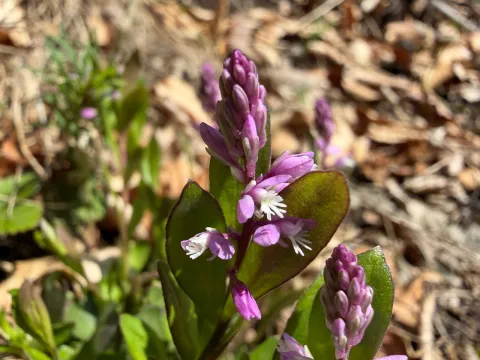
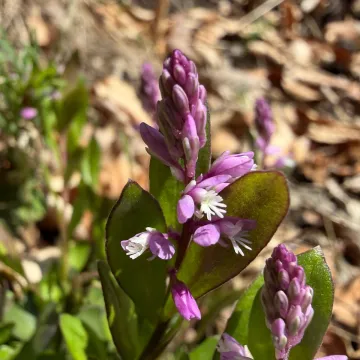
Botanically, Polygala amarella is characterized by a basal rosette of leaves and slender stems topped with racemes of small, often blue or purple flowers. The root system is relatively shallow, necessitating careful soil management to prevent structural compaction and to ensure proper nutrient uptake.
Agronomic requirements for this crop focus on maintaining consistent soil moisture and selecting sites with neutral to slightly alkaline soil pH. While the plant is hardy in temperate zones, it is sensitive to intense heat and competition from fast-growing weeds, which requires proactive manual or light mechanical weeding.
The primary economic use of this plant is in herbal medicine, where it is utilized for its expectorant and anti-inflammatory properties. As the interest in natural supplements grows, the cultivation of Polygala amarella is becoming a viable niche for small-scale medicinal herb farms focusing on high-quality botanical yields.
- Maintain stable soil moisture levels
- Avoid soil compaction in the root zone
- Monitor for early-stage pest infestations
- Harvest during the flowering phase for peak potency
Photo gallery