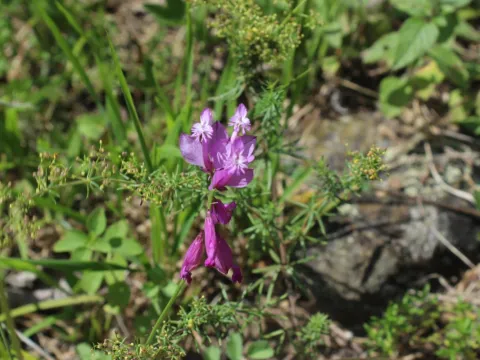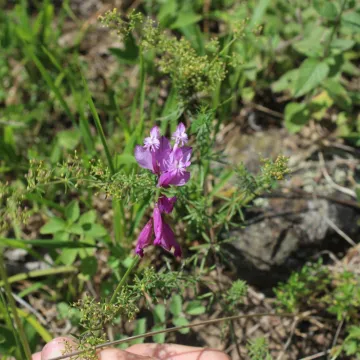
Anatolian milkwort
Polygala anatolica
Description
Anatolian milkwort (Latin Polygala anatolica) is a perennial herbaceous plant belonging to the Polygalaceae family. In agriculture and herbal production, it is recognized for its specific ecological niche and valuable chemical composition found in its root system.
The plant originates from the regions of Asia Minor and adjacent mountainous areas. Its natural habitat is defined by dry, stony slopes and well-drained limestone soils. Understanding these origins is essential for successful cultivation, as the species thrives in conditions that mimic its wild environment.
Botanically, it features branched stems, small lanceolate leaves, and characteristic raceme-like inflorescences. The root system is deep and efficient, designed to extract moisture in semi-arid conditions. During the vegetation period, the plant establishes a dense root mass, which is often the primary target for agricultural harvesting.
The ideal agricultural environment for Anatolian milkwort requires full sun exposure and sandy or loamy soils with a neutral to alkaline pH. Farmers should prioritize land with excellent drainage, as root rot is a common issue in poorly aerated soils. During the initial growth stages, weed control is critical because the crop has a relatively slow establishment rate.
Main usage includes the extraction of bioactive saponins for pharmaceutical and medicinal applications. Common pests affecting this crop include aphids and spider mites, which can be managed through standard integrated pest management practices. Diseases such as powdery mildew may occur in stagnant, humid conditions, necessitating proper spacing and air circulation within the field.
Photo gallery