Polygala arvensis
Polygala arvensis
Description
Polygala arvensis, commonly known as field milkwort, is a notable herbaceous species belonging to the Polygalaceae family. While often viewed as a wild plant, its pharmacological profile and resilience make it an emerging subject of interest for specialized agriculture focused on medicinal plant production.
The plant originates from tropical and subtropical regions of Asia and Australia. It naturally thrives in diverse environments, including open grasslands, hillsides, and disturbed areas. Its ability to colonize various soil types has allowed it to become widespread across different temperate and tropical climate zones, preferring well-lit habitats with adequate airflow.
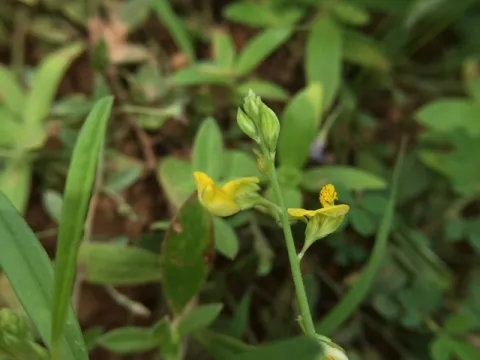
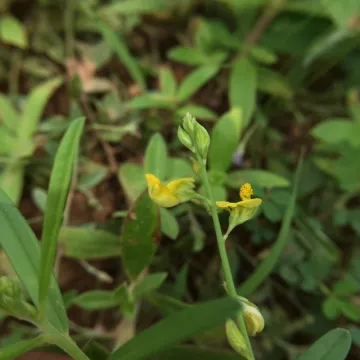
Botanically, it is characterized by a low-growing habit with either erect or prostrate stems that typically reach 10 to 30 centimeters in height. The foliage consists of alternate, lanceolate leaves, while the inflorescences are racemes of small, often colorful flowers. A robust taproot system supports the plant, facilitating growth in nutrient-poor soils and improving drought tolerance.
Agricultural success depends on providing well-drained, sandy-loam soils and full sun exposure. The crop is sensitive to waterlogging, which can lead to root decay, making soil structure management a priority for cultivators. Standard agronomic practices involve shallow sowing in early spring and maintaining weed-free conditions during the initial stages of establishment, as the plant is not a strong competitor against aggressive weeds.
The primary economic value of Polygala arvensis lies in its phytochemical composition, specifically high concentrations of saponins used in pharmaceutical formulations for respiratory ailments. Cultivators should monitor for potential pests such as aphids and mites during hot, dry spells. Effective management of fungal pathogens, particularly in humid conditions, is crucial to maintaining the quality and yield of the harvested biomass. Common management practices include:
- Maintaining appropriate plant spacing to ensure air circulation.
- Regular soil testing to optimize pH levels (neutral to slightly acidic).
- Integrated pest management (IPM) to control sap-sucking insects.
- Timely harvesting to maximize the concentration of active compounds.
- Controlled drying and storage to prevent mold contamination.
Photo gallery