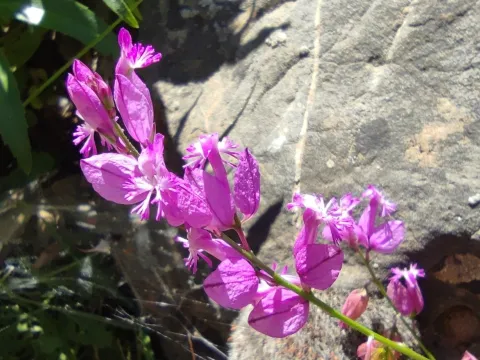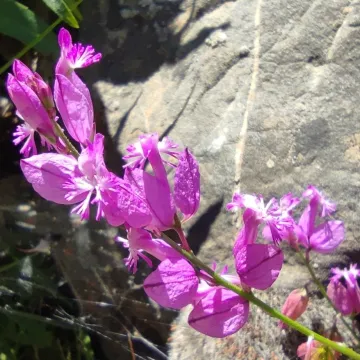
Boissier's milkwort
Polygala boissieri
Description
Boissier's milkwort (Polygala boissieri) is a perennial herbaceous plant belonging to the Polygalaceae family. Within the agricultural sector, it is recognized as a specialty crop, valued primarily for the secondary metabolites stored in its roots and aerial tissues, which have potential applications in pharmacology.
The plant originates from Mediterranean mountainous regions, where it has adapted to specific ecological niches. Its natural range is characterized by rocky outcrops and well-drained slopes, which dictates its preference for specific environmental conditions during agricultural cultivation.
Botanically, Polygala boissieri features a robust taproot system supporting moderate vertical growth. The foliage is typically lanceolate, and the flowers are organized in racemes, displaying the classic morphology of the Polygala genus. This structure allows the plant to thrive in nutrient-poor but well-oxygenated soils.
Cultivation practices require a strict focus on soil structure and drainage. To successfully grow this species, farmers must provide:
- Loose, rocky, or sandy substrates with neutral pH levels.
- Controlled irrigation to prevent root rot in high-humidity periods.
- Full exposure to sunlight to promote high concentrations of active compounds.
Regarding its utility, the species is harvested for its saponin and flavonoid content, which are key components in the production of herbal medicines. Typical pests include aphids and nematodes, while the main threat to plant health is fungal infection resulting from improper soil drainage or excessive stagnant moisture.
Photo gallery