Polygala erioptera
Polygala erioptera
Description
Polygala erioptera is a herbaceous plant belonging to the Polygalaceae family. Recognized for its resilience, this species is increasingly studied in agricultural and pharmacological research for its adaptability to arid climates and its potential as a source of bioactive compounds.
The origin of this species is traced back to tropical and subtropical regions across Africa and parts of Asia. It thrives in diverse environments, including open savannas, rocky outcrops, and degraded shrublands. Its evolutionary history in water-stressed environments has endowed it with significant drought tolerance, making it a candidate for sustainable agriculture in dry regions.
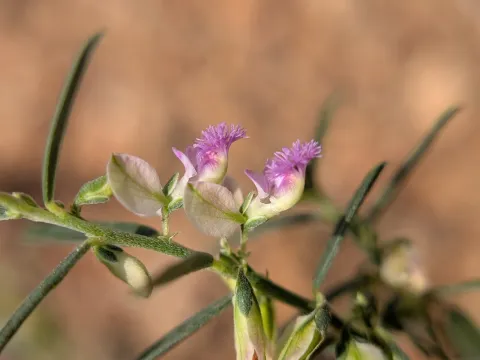
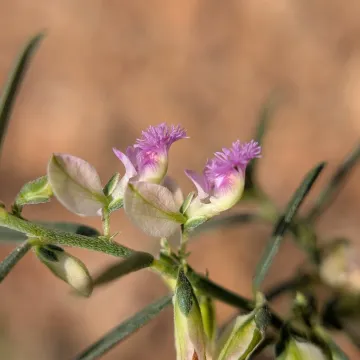
From a botanical perspective, Polygala erioptera is a low-growing plant, usually reaching heights between 10 and 45 centimeters. Its stems are often pubescent (covered in fine hairs), and its leaves are simple and alternate. The flowers are distinctive, featuring a keel-shaped structure typical of the family, and range in color from purple to pale pink or white.
The cultivation requirements for this plant emphasize the need for well-drained, sandy, or stony soil types. It is an obligate heliophile, meaning it requires full solar exposure to complete its life cycle successfully. Agronomic management is relatively low-intensity, focusing primarily on site selection and initial weed control to prevent competition during the germination and seedling establishment phases.
The economic and agricultural utility of the crop is multifaceted:
- Pharmaceutical production of saponin-based therapeutic agents.
- Soil stabilization and erosion control on marginal arid lands.
- Research into botanical insect repellents due to its secondary metabolite profile.
While the plant is naturally hardy, farmers should be aware of risks related to root rot in poorly drained soils. Furthermore, while the plant contains compounds that deter many generalist herbivores, monitoring for specific sap-sucking insects is advised in commercial cultivation to maintain high-quality biomass yields for industry use.
Photo gallery