Japanese snakewort
Polygala japonica
Description
Japanese snakewort (lat. Polygala japonica) is a perennial herbaceous plant belonging to the Polygalaceae family. It is recognized as a significant medicinal crop, primarily valued for the chemical composition of its root system, which is widely utilized in traditional and modern herbal pharmacology.
The plant originates from East Asia, with a natural range including Japan, China, Korea, and parts of the Russian Far East. It typically thrives in diverse environments, ranging from light forest margins to open meadows, provided the habitat offers sufficient drainage and moderate soil moisture.
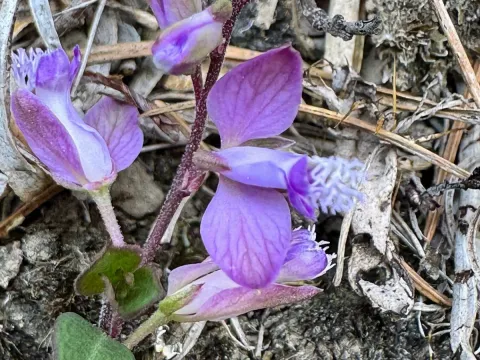
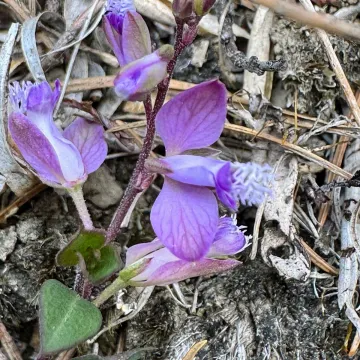
Botanically, Polygala japonica is characterized by branching stems and alternate leaves. Its root system is taproot-based and is the primary part of the plant harvested. The flowers appear in racemes and exhibit the distinct morphological traits common to the Polygalaceae family, including wing-like sepals.
To cultivate Japanese snakewort successfully, farmers must prioritize well-draining, loamy soils with a slightly acidic to neutral pH. Adequate crop management includes regular irrigation during the initial growth stages and careful site selection to avoid areas prone to waterlogging, which can cause root decay.
The economic value of this crop lies in its pharmaceutical applications. The roots are rich in saponins and flavonoids, which contribute to its medicinal properties, including expectorant and anti-inflammatory effects. Agronomic care is focused on monitoring for common pests such as aphids and spider mites, as well as managing soil health to prevent fungal diseases.
Photo gallery