Polygala microphylla
Polygala microphylla
Description
Polygala microphylla is a perennial subshrub belonging to the Polygalaceae family. Known for its small, dense foliage and delicate flowers, this species is highly regarded in horticultural circles for its aesthetic appeal and structural elegance. Although not a primary industrial food crop, it serves as a significant ornamental plant in various temperate climate gardens.
The plant originates from the Mediterranean basin, particularly thriving in Spain and the Balearic Islands. In its natural habitat, it is commonly found on rocky slopes and limestone-rich terrains. Because of its native environment, it is naturally adapted to survive in regions with hot, dry summers and mild winters, making it an excellent candidate for xeriscaping or dry gardening.
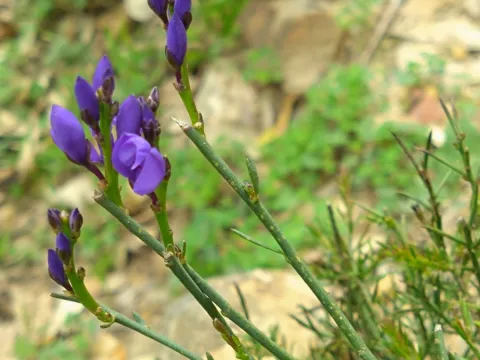
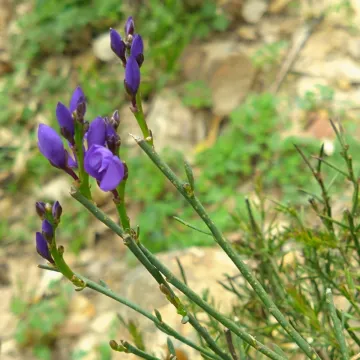
Botanically, this species is characterized by its woody base and fine, leathery leaves that help minimize water loss. The flowers are distinctive, featuring a unique shape with wing-like sepals that protect the reproductive organs. Its growth habit is usually compact, which makes it ideal for planting in borders or as a ground cover in regions where the climate permits year-round growth.
Cultivation requirements focus heavily on drainage. The soil should be gritty, sandy, or well-draining, with a preference for slightly alkaline pH levels. Agrotechnical practices include minimal fertilization and careful watering, as the root system is highly susceptible to rot if kept in waterlogged soil for extended periods. Pruning should be carried out after the blooming cycle to promote denser foliage and future flowering.
- Requires full sun exposure for optimal growth.
- Low water requirements once established.
- Needs extremely well-drained soil conditions.
- Suitable for rock gardens and Mediterranean-style landscapes.
The primary use of Polygala microphylla is within the ornamental sector, specifically for rock gardens and dry, sunny border displays. While it is generally robust, growers should monitor for common pests like aphids during the active growing season. Pathological issues are almost exclusively related to soil moisture management; ensuring that the plant is not kept in heavy, damp clay soil is crucial for long-term health.
Photo gallery