Nice milkwort
Polygala nicaeensis
Description
Nice milkwort (latin Polygala nicaeensis) is a perennial herbaceous plant belonging to the Polygalaceae family. While primarily known for its wild occurrence, it serves as a specialized crop in contexts where its biochemical properties or aesthetic value are leveraged for botanical and pharmaceutical research purposes.
Native to the Mediterranean region and parts of Central Europe, this plant thrives in diverse landscapes ranging from rocky meadows to dry, sparse woodlands. Its adaptation to harsh environmental conditions makes it a resilient candidate for fields where nutrient availability is moderate and sunlight exposure is optimal for growth.
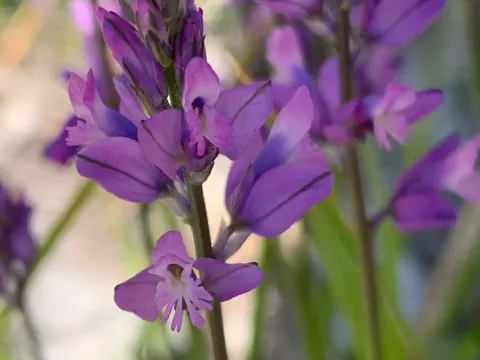
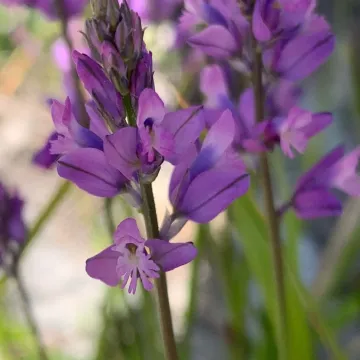
Botanically, Polygala nicaeensis is characterized by its slender, branching stems and dense terminal racemes featuring small, vibrant violet or blue-purple flowers. The root system is relatively shallow, requiring soil stability and good structural integrity to support the plant's vegetative development throughout the growing season.
Regarding cultivation requirements, the crop demands well-drained, lime-rich soil to mimic its natural limestone-based habitats. Agricultural management involves strict irrigation control to prevent root rot, as the species is highly sensitive to waterlogging. Moderate fertilization is recommended to maintain the vigour of the plants without forcing excessive vegetative growth.
Pest management focuses on protecting the crop from aphids and mites, which can damage the foliage and reduce the quality of the harvested biomass. Common diseases typically involve fungal pathogens, particularly in late spring. Sustainable farming practices, such as integrated pest management and careful soil drainage, are essential for ensuring a healthy yield and maintaining soil quality over successive seasons.
Photo gallery