Polygala planellasi
Polygala planellasi
Description
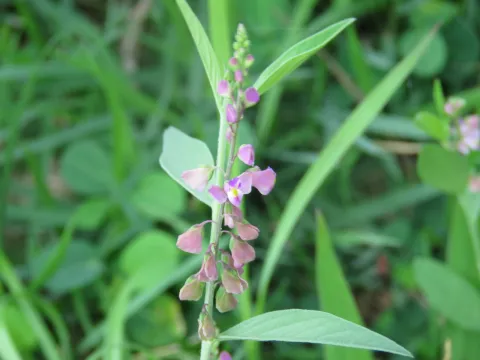
Polygala planellasi is a rare herbaceous plant species belonging to the Polygalaceae family. As a specialized biological entity, it represents a significant interest for botanical research and biodiversity conservation efforts, standing out due to its specific ecological requirements and unique morphological traits.
The origin of this species is linked to the Caribbean region, particularly Cuba, where it is found within specific local habitats. It thrives in environments that provide stable temperature ranges, typical of tropical and subtropical zones. Due to its limited natural distribution, the plant is often classified as a conservation priority rather than a mass-market agricultural crop.
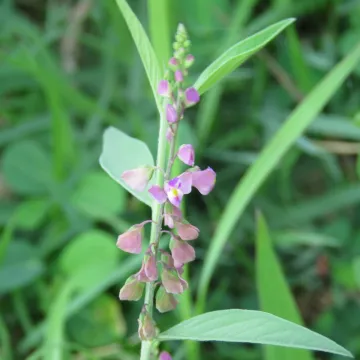
Botanically, it presents as a small shrub or perennial herb with distinctive, complex flowers featuring well-developed wings. The leaf structure is adapted to optimize photosynthesis in varied light conditions, while the root system is sensitive to the physical properties of the substrate. Its growth habit is characterized by moderate expansion, requiring careful space management in controlled environments.
Climatic and soil requirements for this species are quite precise. It prefers well-drained, slightly acidic to neutral soils enriched with organic matter. Excessive irrigation can lead to root degradation, so maintaining proper drainage is the most critical aspect of its agrotechnology. It thrives best in environments that mimic natural forest margins or rocky slopes with filtered sunlight.
The primary directions for its utilization include:
- Genetic research and preservation of endangered plant species.
- Specialized nursery production for botanical garden collections.
- Phytochemical investigation to explore potential pharmacological properties.
Common plant health challenges include fungal infections, particularly those triggered by high humidity levels and poor ventilation. Pests such as aphids or spider mites can pose a threat to the foliage if the plant is under stress. Management strategies should prioritize integrated pest control and the maintenance of a stable microclimate to ensure the long-term health of the specimens.
Photo gallery