Polygala sphenoptera
Polygala sphenoptera
Description
Polygala sphenoptera is a perennial herbaceous plant belonging to the Polygalaceae family. In agricultural science, it is recognized for its potential as a specialized medicinal crop, valued for its complex chemical composition, which includes various saponins and therapeutic compounds found throughout the genus.
The plant originates from the tropical and subtropical regions of Africa. Its natural habitat is characterized by distinct wet and dry seasons, which has endowed the species with significant physiological resilience, making it a viable candidate for cultivation in similar climatic zones globally.
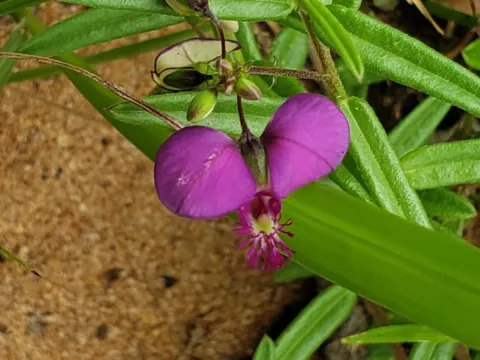
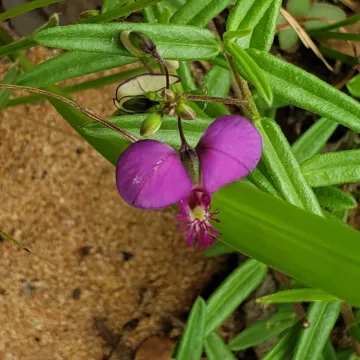
Botanically, Polygala sphenoptera is identified by its wedge-shaped leaves and raceme-like inflorescences. It develops a robust root system capable of deep soil penetration, which enhances the plant's ability to withstand intermittent drought and utilize deep-seated soil moisture effectively during its growth cycle.
Successful cultivation requires well-drained, sandy-loam soils with a neutral or slightly acidic pH. Agricultural management practices should focus on maintaining optimal plant density, preventing soil compaction, and ensuring adequate sunlight. Irrigation should be applied strategically, as the plant is sensitive to waterlogging in the root zone.
- Economic utility: industrial extraction of phytochemicals.
- Sun exposure: requires full sun for optimal biomass development.
- Propagation: viable through both seed and vegetative division.
- Maintenance: requires weed management during the seedling stage.
The main phytosanitary challenges involve fungal pathogens such as root rot, which typically occur under high-humidity conditions. Pest management focuses on controlling aphids and spider mites through integrated pest management (IPM) strategies, which prioritize biological control agents and sustainable agricultural practices to protect the crop's yield.
Photo gallery