
Polygala supina
Polygala supina
Description
Polygala supina is a perennial herbaceous plant belonging to the Polygalaceae family. Within the framework of specialized agriculture and ethnobotany, this species is recognized for its medicinal potential, particularly in the production of herbal extracts rich in secondary metabolites.
The plant originates from Southern Europe, Asia Minor, and the Caucasus region. Its native range is typically associated with dry rocky slopes, mountain steppes, and sparse meadows. This geographic background defines its survival strategy, favoring environments with high solar exposure and well-drained geological substrates.
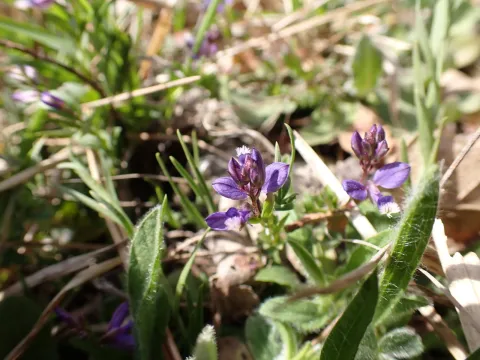
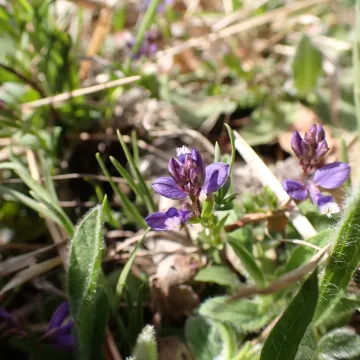
From a botanical standpoint, the plant is characterized by its prostrate habit, forming dense, compact tufts. The foliage consists of small, alternate, ovate-lanceolate leaves, while the flowers are arranged in short, delicate racemes, exhibiting a diverse range of colors, which contributes to its potential value in ornamental horticulture.
Cultivation requirements for Polygala supina focus primarily on soil texture and moisture management. It thrives in gritty, alkaline soils with low nitrogen levels. Providing adequate drainage is the most critical factor in its agrotechnics, as the plant is highly susceptible to root damage caused by stagnant water.
Economically, the species is valued for its saponin content, which has historical and contemporary uses in pharmaceutical manufacturing. Typical plant health issues involve fungal infections related to humidity, such as root rot, and occasional infestation by sap-sucking insects if not monitored during the flowering stage.
Photo gallery