Vayreda milkwort
Polygala vayredae
Description
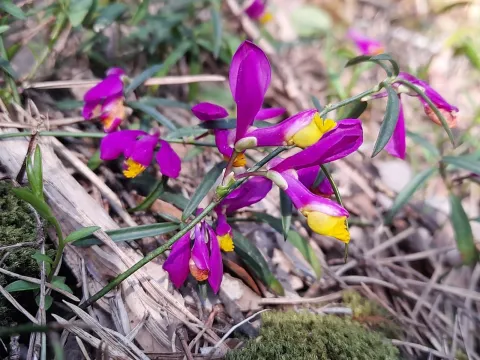
Vayreda milkwort (Polygala vayredae) is a distinctive species within the Polygalaceae family. This low-growing perennial is highly regarded in specialized horticulture for its elegant growth habit and vivid floral displays. It remains a botanical rarity, often found in specialized nurseries and plant collections.
The plant is native to the Pyrenees, specifically endemic to certain regions in Catalonia, Spain. It naturally occupies sheltered mountain habitats with acidic, well-drained soils. Its cultivation is primarily confined to rock gardens and botanical settings where climate conditions can be carefully controlled to mimic its original environment.
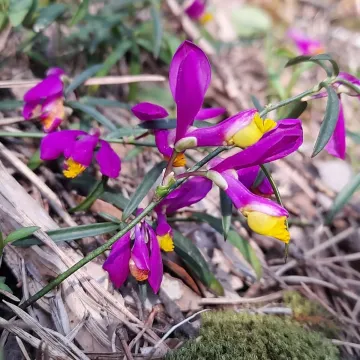
Botanically, this evergreen subshrub reaches a modest height of approximately 15–20 centimeters. It features slender, lance-shaped leaves arranged along creeping or ascending stems. The flowering phase typically occurs in spring and early summer, producing striking purple-pink blossoms that provide significant ornamental appeal for rock garden displays.
Agrotechnical requirements focus on light management, as the plant thrives in semi-shaded conditions away from intense direct sun. The soil must be well-drained and slightly acidic, mimicking the forest-floor conditions of its natural habitat. Proper drainage is essential to prevent moisture accumulation, which is critical for the health of the root system.
In terms of practical use, Vayreda milkwort is strictly ornamental. It is not an agricultural commodity in the conventional sense but serves as a niche plant for rockery aesthetics. Common plant health issues include root rot caused by stagnant moisture and occasional aphid infestations, which can be managed with standard integrated pest management practices.
Photo gallery