Oriental smartweed
Polygonum caespitosum
Description
Oriental smartweed (Polygonum caespitosum), often classified under the genus Persicaria in modern taxonomy, is an annual herbaceous plant belonging to the Polygonaceae family. In an agricultural context, it is frequently recognized as a troublesome weed that colonizes disturbed sites, riparian buffers, and moisture-rich crop fields, necessitating integrated management strategies to prevent spread.
The native range of this species is primarily East Asia, where it thrives in temperate and subtropical climates. Over time, it has established itself globally, demonstrating a high degree of naturalization in North America and parts of Europe. It favors open, moist environments and is highly successful at colonizing areas with high nitrogen availability, often outcompeting native or cultivated vegetation.
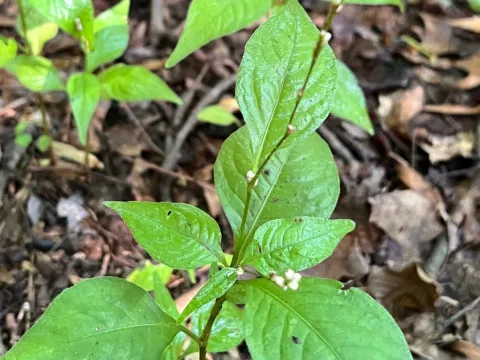
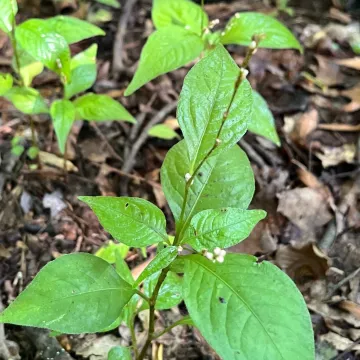
Botanically, Polygonum caespitosum is identified by its prostrate or ascending stems and lanceolate leaves that typically feature a dark, V-shaped mark in the center. The plant produces slender, spike-like inflorescences containing small pink or reddish flowers. Its reproductive strategy relies on the production of numerous resilient seeds that can remain viable in the soil for extended periods.
From an agrotechnical perspective, management requires focusing on mechanical tillage and cultural practices that favor crop competition, such as optimal seeding rates and canopy closure. As it thrives in damp conditions, managing water drainage in fields can significantly suppress its proliferation. Chemical control is possible, but timing is critical to address the plant before it sets mature seeds.
Economically, while it lacks direct agricultural use, it is a plant of interest in ecological studies regarding weed-crop competition. It is susceptible to various pathogens and insect herbivores common to the buckwheat family. Monitoring for these pests is essential to prevent the spread of diseases from the weed to related agricultural crops, ensuring better overall field health and yield stability.
- Rapid growth cycle allows for multiple generations in one season.
- Thrives in high-moisture agricultural environments.
- Distinctive foliar markings aid in field identification.
Photo gallery