Cedar knotweed
Polygonum cedrorum
Description
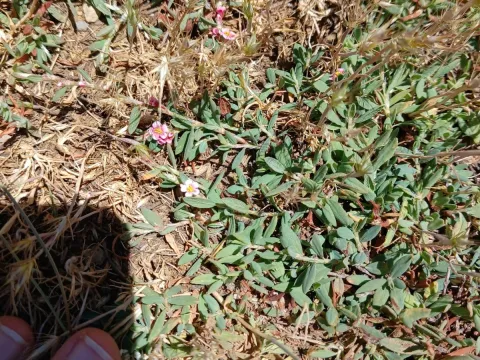
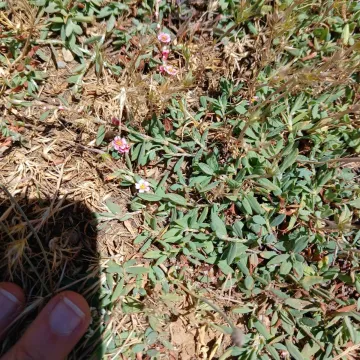
Cedar knotweed, scientifically identified as Polygonum cedrorum, is a perennial herbaceous plant that belongs to the family Polygonaceae. This plant species is highly regarded for its unique morphological features and its ability to thrive in challenging environments, distinguishing it from other common members of the genus.
The origin of this species is traced back to mountain ecosystems where it naturally populates rocky terrains and alpine slopes. Its distribution area reflects a high tolerance for temperature fluctuations and poor soil quality, which are critical factors to consider when introducing the plant into agricultural or horticultural settings.
Botanically, the plant is characterized by a low-growing habit, forming dense mats of foliage that help in erosion control. The leaves are typically lanceolate, and the root system is fibrous and deep, allowing the plant to anchor effectively in loose or rocky substrates. The growth cycle is synchronized with seasonal temperature changes, promoting resilience.
The cultivation requirements for Polygonum cedrorum emphasize the need for excellent drainage to prevent root rot. It performs best in well-draining, slightly acidic soils with full to partial sunlight. Irrigation should be controlled to mimic natural precipitation patterns, avoiding waterlogged conditions which are detrimental to its health.
Regarding its utility, the plant is primarily used for ornamental ground cover and in niche medicinal applications, leveraging its secondary metabolites. Typical challenges include vulnerability to aphids and certain fungal diseases during humid periods. Managing these issues requires adequate air circulation and targeted application of organic or chemical pest control methods when necessary.
Photo gallery