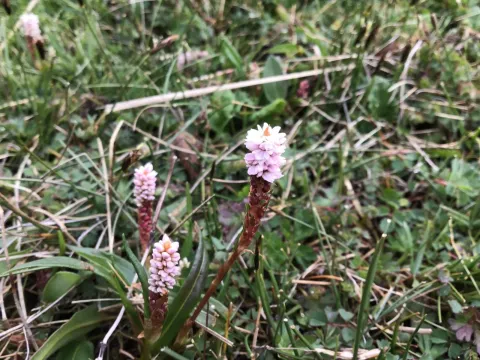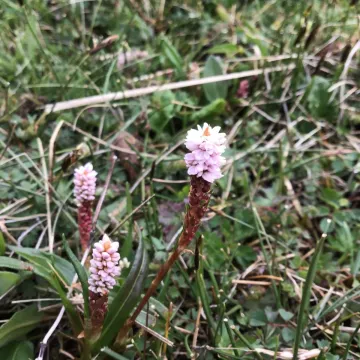
Polygonum fugax
Polygonum fugax
Description
Polygonum fugax is an annual herbaceous plant belonging to the Polygonaceae family. Although it is not a widely cultivated commodity crop, it possesses unique physiological traits that make it a subject of interest in niche agricultural sectors, particularly for organic farming and botanical resource production.
Native to the temperate and mountainous regions of Asia, the plant is adapted to moist habitats and moderate climatic conditions. Its natural distribution suggests a high tolerance for varying light levels and a preference for cool, humid environments during its early developmental stages, which informs its cultivation requirements in modern agricultural settings.
Botanically, Polygonum fugax is characterized by its slender, branching stems and lanceolate foliage. Its growth habit is typically erect, reaching moderate heights. The plant produces dense panicles of small flowers, contributing to its efficient reproduction. Its root system is fibrous and shallow, optimized for extracting moisture and nutrients from the surface layer of the soil profile.
Agronomic management requires attention to soil moisture regulation and fertility. The crop thrives in loamy, well-drained soils with a balanced nutrient profile. Planting should occur in early spring when soil temperatures stabilize. Adequate irrigation is essential during the vegetative phase to ensure biomass accumulation, as the plant shows sensitivity to prolonged drought periods during its peak growth.
The primary utility of this crop lies in its application within medicinal plant production and as an effective cover crop for soil conservation. Due to its rapid development, it serves to suppress weed populations and improve soil structure before the primary planting season. Typical pests and diseases include aphids and susceptibility to root rot if fields are poorly drained and overly saturated for extended periods.
- Moderate moisture demand.
- Rapid biomass accumulation rate.
- Preference for fertile, loamy soils.
- Potential for use as a green manure crop.
Photo gallery