Polygonum hypoleucum
Polygonum hypoleucum
Description
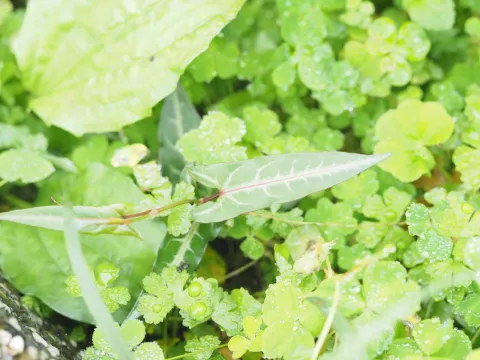
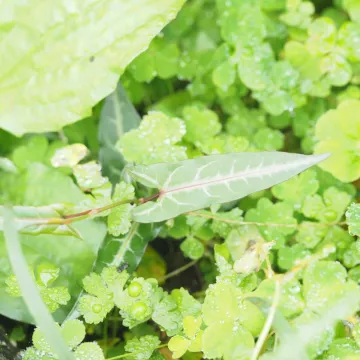
Polygonum hypoleucum is a perennial herbaceous plant belonging to the Polygonaceae family. It is recognized for its unique botanical features, specifically the silvery-white pubescence on the underside of its leaves, which provides physiological adaptation to environmental stressors and creates its distinct aesthetic and ecological profile.
The species originates from the mountainous regions of East Asia, which has endowed it with significant resilience to fluctuating temperatures and specific moisture regimes. In modern agricultural practice, it is appreciated for its ability to produce substantial biomass in diverse soil conditions, making it a subject of interest for both restoration ecology and agricultural trials.
Botanically, the plant features a robust, branched root system and sturdy stems that support its dense, lanceolate foliage. Its inflorescences are composed of small, numerous flowers organized in terminal panicles. The plant's architecture allows it to maintain structural integrity under various field conditions, ensuring a reliable growth cycle throughout the season.
Cultivation requirements for Polygonum hypoleucum focus on well-drained, nutrient-rich soils with consistent exposure to sunlight. While the plant is hardy once established, early-stage maintenance—including weed control and moisture management—is essential for maximizing yield. It is known to respond positively to balanced nitrogen fertilization and regular irrigation during dry periods.
The primary agricultural and economic uses include:
- As a supplemental forage crop for livestock management.
- In erosion control programs for unstable or sloped terrain.
- As a potential source of secondary metabolites for the pharmaceutical industry.
- For habitat enrichment and support of local pollinator populations.
Typical plant health issues involve fungal infections such as powdery mildew, often correlated with high humidity or poor canopy ventilation. Pest pressure primarily consists of aphids and certain beetle species. Managing these risks requires a proactive approach, incorporating crop rotation, proper site selection, and the use of integrated pest management (IPM) strategies to ensure long-term stability.
Photo gallery