Polygonum paronychioides
Polygonum paronychioides
Description
Polygonum paronychioides is a notable species within the Polygonaceae family, recognized for its specialized ecological niche and resilience. As an agricultural crop, it is gaining traction for its utility in soil stabilization projects and its ability to thrive in challenging environments that are typically hostile to more conventional crop varieties.
Originating from the mountainous regions of Central Asia and the Caucasus, this plant has adapted to survive in rocky, nutrient-poor, and arid landscapes. Its native habitat includes steep slopes and stony plains, which has influenced its development into a highly drought-tolerant perennial that maintains vitality throughout harsh summer periods.
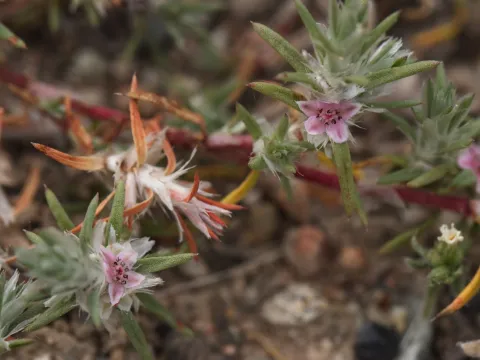
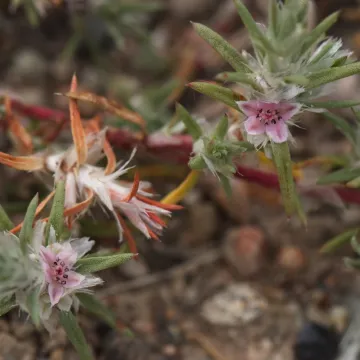
The botanical architecture of this plant is defined by its prostrate or cushion-like growth habit, which protects the inner stems from extreme temperatures and drying winds. Its leaves are narrow and often exhibit structural adaptations, such as cuticular waxes, that reduce transpiration. The root system is deep and expansive, functioning as a primary anchor in unstable substrate.
Agronomic requirements are focused on providing adequate drainage and full sunlight. While it can survive in nutrient-deficient soils, supplemental phosphorus and potassium can enhance root development and plant longevity. Standard cultivation practices favor low-input management, making it an economically viable option for land restoration programs.
Regarding utilization, it is primarily employed as a cover crop to prevent erosion in sensitive habitats. Potential secondary uses include low-intensity grazing, as the plant remains palatable during specific growth stages. It is remarkably resistant to pests and diseases; however, good site selection remains the best defense against fungal issues related to improper irrigation.
Photo gallery