Polygonum praetermissum
Polygonum praetermissum
Description
Polygonum praetermissum is a herbaceous plant belonging to the Polygonaceae family, often classified under the genus Persicaria in modern botanical studies. This species is highly adapted to aquatic or semi-aquatic environments, frequently found in marshy areas, riverbanks, and floodplains where it thrives in saturated soils.
The native range of this species covers Southeast Asia, including parts of India, China, and Japan. Its cultivation range is limited to regions characterized by high precipitation and humid conditions. It is gaining attention in agricultural research for its ability to grow in areas deemed unsuitable for traditional crops due to persistent waterlogging.
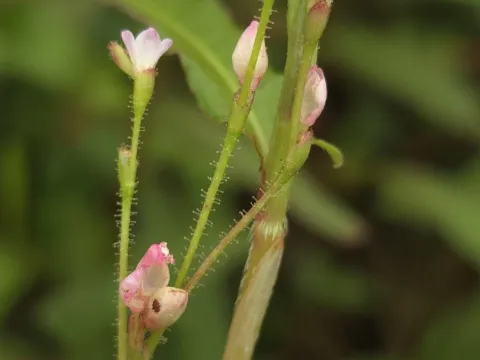
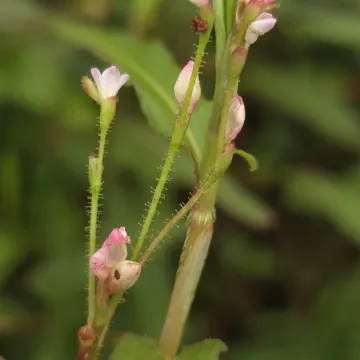
Botanically, the plant features decumbent or ascending stems that can reach lengths of up to one meter, adorned with lanceolate leaves that often display a reddish tinge. Its small, delicate flowers are arranged in spike-like racemes. The root system is robust, providing the plant with the stability and nutrient uptake necessary to survive in challenging, wet environmental conditions.
The agronomic requirements focus heavily on soil moisture management. It thrives in fertile, slightly acidic soils rich in organic matter. Successful cultivation requires a consistent water supply throughout the growing season. It is not suitable for dry or drought-prone environments, as it lacks the physiological mechanisms to tolerate extended moisture stress.
The primary agricultural applications include the harvesting of biomass for use as forage or as a cover crop for soil remediation in high-moisture zones. Research is ongoing into its nutritional profile to ensure it can be safely used in livestock rations. Furthermore, its role as a phytoremediator in filtering nitrogen and phosphorus from agricultural runoff is considered a significant ecological service.
Common diseases and pests include:
- Fungal leaf spots occurring in high-humidity, low-airflow environments.
- Aphids, which tend to congregate on young shoots and flower buds.
- Gastropods, such as slugs and snails, that cause significant damage during the early establishment phase.
Photo gallery