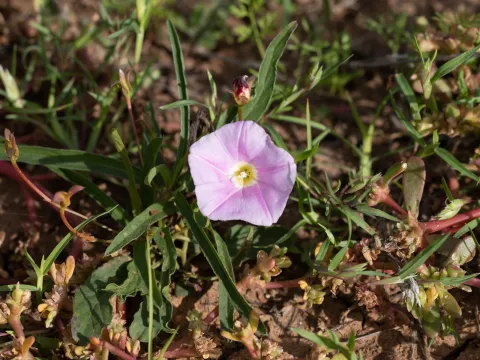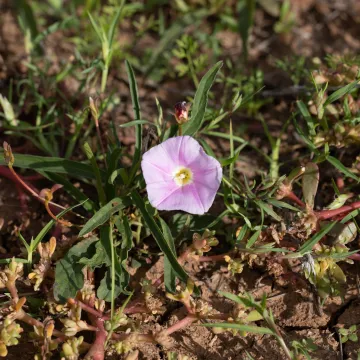
Polymeria longifolia
Polymeria longifolia
Description
Polymeria longifolia is a perennial herbaceous plant belonging to the Convolvulaceae family. This species is highly valued for its resilience and ability to thrive in specialized environmental niches, making it an interesting subject for agricultural studies focusing on sustainable pasture management.
The plant is native to Australia, where it naturally occurs across a variety of habitats ranging from tropical to subtropical zones. Its geographical distribution typically includes areas with heavy clay soils that are subject to seasonal inundation. This natural adaptation allows the crop to remain productive even in challenging environmental conditions where other forage species might fail.
Botanically, Polymeria longifolia is distinguished by its elongated leaves and versatile growth habit, which allows it to form a dense ground cover. The flowers, characteristic of the morning glory family, are delicate and aesthetically significant. Its robust root system plays a crucial role in soil stabilization, allowing the plant to access moisture and nutrients efficiently from various soil depths.
Agricultural requirements for Polymeria longifolia emphasize the need for adequate sunlight and fertile, well-draining soil. While the crop exhibits high tolerance to moisture, it is important to manage field conditions to prevent stagnant water during the early stages of growth. Proper management of nitrogenous nutrients is essential for maximizing the yield of foliage, which is vital for its utility as livestock fodder.
The economic and agricultural utility of the species is primarily directed towards the following areas:
- Serving as a high-quality forage crop for grazing livestock.
- Preventing soil erosion in vulnerable agricultural zones.
- Maintaining biodiversity within managed ecosystems.
Typical threats to crop health include fungal pathogens that proliferate in high-humidity environments and specific insect pests that feed on the foliage. To ensure optimal production, farmers should implement a robust monitoring program and utilize integrated pest management practices. These measures help to mitigate the risk of damage while ensuring the long-term sustainability of the plant population in its designated area of cultivation.
Photo gallery