Intermediate polypody
Polypodium interjectum
Description
Intermediate polypody (Polypodium interjectum) is a perennial fern species within the Polypodiaceae family. Known for its distinct botanical origin as a natural hybrid, this plant serves as a fascininating subject for horticulturists, although it is categorized as a specialized ornamental or botanical plant rather than a traditional field crop.
The native range of this fern is centered primarily in Western and Central Europe. It typically thrives in sheltered, humid environments, commonly colonizing limestone rock faces, old masonry walls, and shaded woodland floors. It favors moderate oceanic climates where temperature fluctuations are minimal and moisture levels remain relatively constant throughout the year.
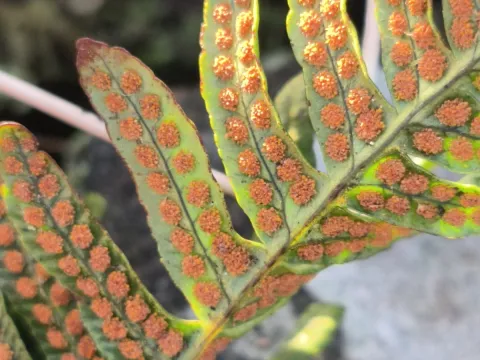
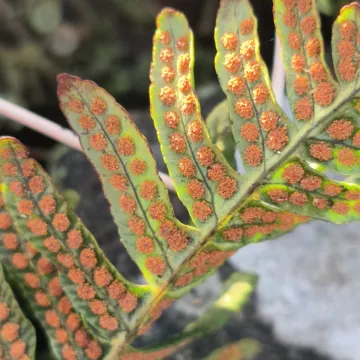
Botanically, the plant is characterized by its creeping rhizomes and evergreen fronds. The fronds are pinnately divided into acute lobes, distinguishing it from related species like the common polypody. The plant remains green throughout the winter months, which makes it a valuable asset for maintaining greenery in shaded garden areas where other plants might go dormant.
For cultivation, gardeners should focus on replicating the plant's natural habitat. An ideal soil mix is porous, humus-rich, and neutral to slightly alkaline, with excellent drainage to prevent rhizome rot. While it is quite hardy once established, it requires protection from severe summer heat and intense direct sunlight, which can scorch the delicate foliage.
In terms of usage, the intermediate polypody is utilized primarily in landscape design for rock gardens, shaded borders, and wall plantings. It is rarely impacted by serious pests or diseases, provided the soil is not waterlogged. Historically, it was occasionally employed in herbal medicine, although it is not currently grown for industrial, pharmaceutical, or large-scale agricultural purposes.
- Evergreen foliage throughout the winter season.
- Excellent adaptability to low-light garden spots.
- Low susceptibility to common garden pests.
- Requirement for well-drained, alkaline-rich substrates.
Photo gallery