Macaronesian polypody
Polypodium macaronesicum
Description
Macaronesian polypody (Polypodium macaronesicum) is a perennial herbaceous plant belonging to the Polypodiaceae family. This species is native to the Macaronesian region, an archipelago in the North Atlantic, including the Canary Islands, Madeira, and the Azores, where it occupies specific ecological niches such as rocky crevices or mossy trunks.
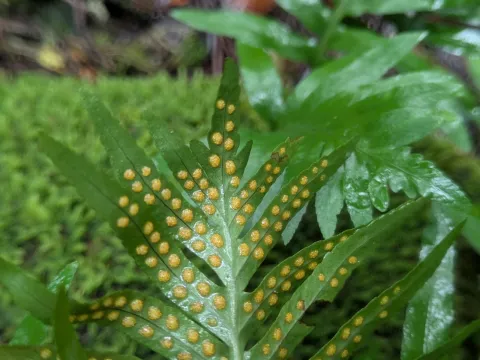
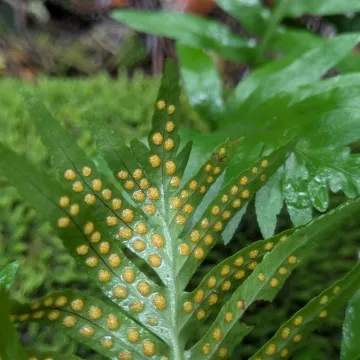
Botanically, the plant is characterized by a creeping, densely scaly rhizome and leathery, pinnate fronds. These leaves have a deep green coloration and are adapted to withstand the Atlantic moisture. The plant functions as an epiphyte or lithophyte, meaning it draws nutrients and water from its immediate surroundings rather than traditional soil.
In terms of climate requirements, this culture demands consistent humidity and stable temperatures. It thrives in cool, sheltered environments where it is protected from scorching midday sun and severe frost. Proper cultivation requires a well-draining, airy substrate, such as a mix of pine bark, perlite, and peat, which mimics the natural epiphytic growing conditions.
Agronomic management focuses on preventing waterlogging, which can quickly lead to rhizome rot. Irrigation should be performed using soft water, preferably at room temperature. In an indoor or greenhouse setting, the plant requires regular misting to prevent the fronds from browning at the edges, a common issue when atmospheric humidity drops.
The main use of the Macaronesian polypody is ornamental. It is a prized specimen for collectors and specialized greenhouses that feature rockery displays or tropical microclimates. Due to its slow growth rate and specific care needs, it is rarely grown for industrial purposes, remaining a niche plant for botanical enthusiasts and interior landscaping.
- Endemic to Macaronesian islands
- Prefers high air humidity
- Requires excellent drainage
- Sensitive to excessive direct sunlight
Photo gallery