Polypodium shivasiae
Polypodium shivasiae
Description
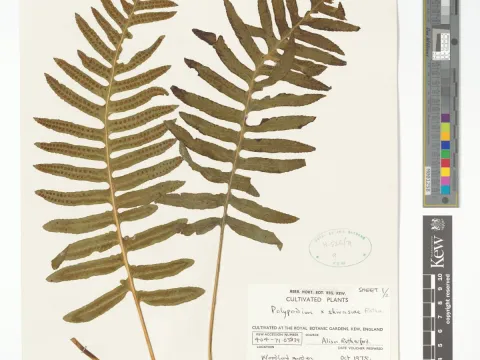
Polypodium shivasiae is a distinct fern species belonging to the Polypodiaceae family. This species is recognized for its unique morphological structure and its status as a specialized culture within botanical collections, requiring specific environmental conditions for optimal growth and development.
Originating from niche highland habitats, this fern is adapted to stable climatic zones characterized by high humidity and moderate temperatures. Its natural distribution is linked to regions with specific lithological substrates, which dictates the necessity of simulating these conditions when growing the plant in nurseries or controlled indoor environments.
The botanical features of this species include creeping rhizomes and pinnate fronds. The plant is structurally designed to thrive in low-light, high-moisture environments, utilizing its rhizome system for both anchorage and nutrient storage. Its reproductive system, involving spores, requires precise humidity levels for successful germination.
Cultivation requirements focus on maintaining an acidic, well-draining substrate rich in organic matter. Proper irrigation is crucial; the soil must remain consistently moist but never waterlogged to prevent rhizome rot. Good air circulation is essential to prevent the buildup of stagnant air, which can encourage fungal pathogens.
In terms of horticultural use, this species is highly valued in specialty gardening and greenhouse landscaping. While generally resilient, the plant can be susceptible to common greenhouse pests such as scale insects and spider mites. Effective management involves regular inspections and the application of integrated pest management practices.
Photo gallery