
Common polypody
Polypodium vulgare
Description
Common polypody (Polypodium vulgare) is a perennial evergreen fern native to the Polypodiaceae family. This resilient plant is characterized by its creeping rhizome, which is covered with brownish scales and possesses a distinct sweet taste, earning it common names like the "sweet root" in various traditions.
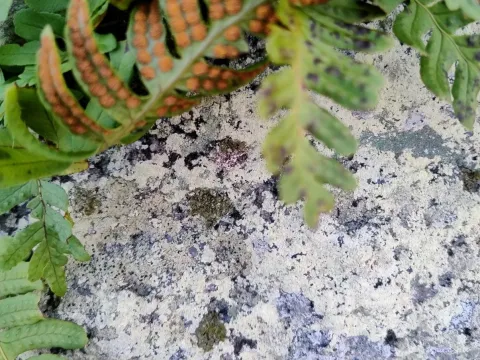
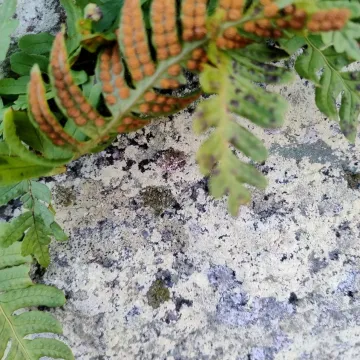
The botanical structure of the plant features leathery, pinnately lobed fronds that can grow up to 40 cm long. These fronds are evergreen, meaning the plant retains its green foliage throughout the winter, provided the conditions are not excessively harsh. On the undersides of the leaves, round sori contain spores used for the reproduction of the fern.
Native to Europe, Asia, and North America, this species is highly adaptable to various habitats, ranging from mossy rock crevices to the branches of old trees in humid forests. In a cultivation setting, it thrives in well-drained, humus-rich soil and requires protection from scorching afternoon sun, preferring dappled shade or full shade.
Regarding agrotechnology, the common polypody requires a stable environment with consistent soil moisture, though it should never be waterlogged. It is an excellent choice for rock gardens, wall plantings, or shaded ground cover. Propagation is best achieved by dividing the rhizomes during the dormancy period in spring or late autumn to encourage root establishment.
The plant has long been valued in traditional medicine for its expectorant and purgative properties, often used in infusions. In modern landscaping, it is prized for its ability to stabilize soil on slopes and its structural beauty in woodland-style gardens. It is generally resistant to most pests, though occasional aphids or scale insects may occur if the plant is stressed by dryness.
- Evergreen foliage throughout the year
- Medicinal applications of the rhizomes
- Ideal for shaded rockeries and walls
- Low maintenance requirements
Photo gallery