Holly Fern
Polystichum luctuosum
Description
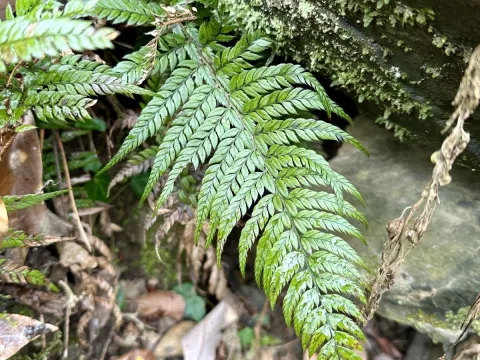
Polystichum luctuosum, commonly known as a type of Holly Fern, is a perennial plant belonging to the Dryopteridaceae family. This species is highly valued in horticulture for its distinct, dark green, glossy foliage that adds architectural beauty to shaded garden areas throughout the growing season.
Originating from East Asia, including regions in China and Japan, this fern is naturally adapted to cool, moist, and sheltered environments. Its native habitat within forested valleys and mountain slopes defines its preferences for consistent moisture and protection from harsh environmental elements when grown as an ornamental crop.
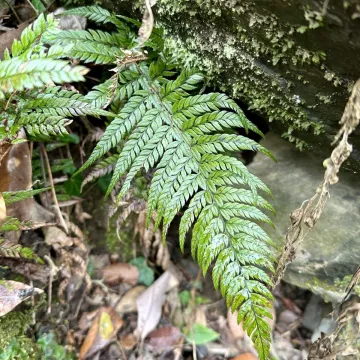
Botanically, it is characterized by its stiff, leathery, bipinnate fronds that exhibit a deep, polished green color. The growth habit is typically clumping, with a sturdy rhizome that supports the development of lush, dense rosettes. Its slow-to-moderate growth rate makes it an ideal candidate for low-maintenance garden designs.
The agronomic requirements focus on soil composition and water management. It thrives in well-drained, humus-rich soil with a neutral to slightly acidic pH. Effective cultivation requires maintaining consistent soil humidity, protecting the root zone with organic mulch, and ensuring the plant is situated in a location with dappled shade to prevent leaf scorching.
The primary use of this fern is in ornamental landscaping, particularly in woodland gardens, rockeries, or as an understory plant in shaded borders. While generally robust, gardeners should be vigilant against pests like slugs and snails that target new growth. Maintaining good air circulation and preventing waterlogging are key strategies to avoid potential crown rot or fungal infections in the fronds.
Photo gallery