Tassel fern
Polystichum polyblepharum
Description
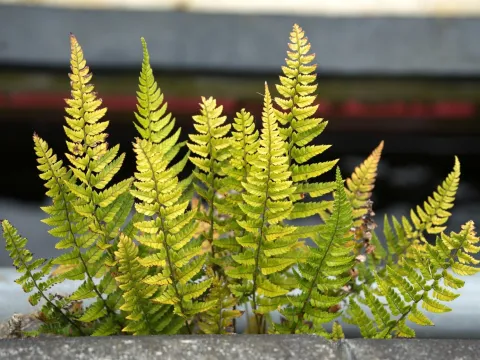
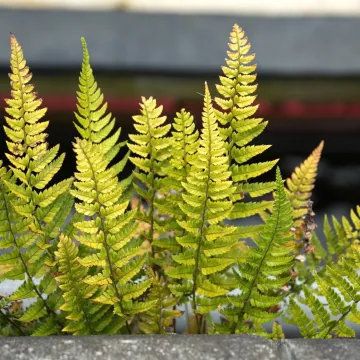
The Tassel fern (Polystichum polyblepharum) is a robust evergreen perennial belonging to the Dryopteridaceae family. It is highly valued in horticulture for its dense, upright, and outward-arching fronds that feature a distinctive glossy, dark green appearance, making it a staple in shade-loving plant collections worldwide.
Originating from the temperate forests of East Asia, specifically Japan and Korea, this species is well-adapted to cool, humid environments. In cultivation, it thrives in woodland garden settings, providing year-round structural interest due to its semi-evergreen habit in mild climates where it retains its foliage through most of the winter season.
Botanically, the plant forms a symmetrical rosette of bipinnate fronds. A signature trait is the proliferation of golden-brown scales on the stipes and rachis, which contrast beautifully with the deep green, leathery leaflets. This unique texture adds depth to garden beds, distinguishing it from thinner, more delicate fern varieties.
Cultivation requirements are essential for success:
- Site selection: partial to deep shade, protected from harsh midday sun.
- Soil: well-draining, humus-rich soil that retains moisture but does not waterlog.
- Hydration: consistent moisture is key; never allow the root ball to dry out completely.
- Maintenance: minimal, consisting of clearing away old fronds in early spring to prevent damage to emerging croziers.
The Tassel fern is primarily utilized for aesthetic purposes in landscaping, serving as an excellent groundcover or accent plant in shaded borders. Its moderate growth rate and relative longevity make it a low-maintenance choice for professional landscape design and private garden development alike.
Regarding pest and disease management, the plant is generally hardy, though it may be susceptible to slugs and snails that target young growth. In poor ventilation conditions, fungal issues like leaf spot may occur. Keeping the crown of the plant clean of decaying debris is an effective cultural practice to mitigate these risks and ensure plant longevity.
Photo gallery