Polytrichastrum alpinum
Polytrichastrum alpinum
Description
Polytrichastrum alpinum is a perennial bryophyte belonging to the Polytrichaceae family. While not a conventional crop, this species serves important roles in ecological restoration, erosion control, and specialized horticultural practices, particularly in temperate and sub-arctic garden designs.
Originating from mountain ranges and northern latitudes, this moss has a widespread distribution across the Northern Hemisphere. It thrives in alpine meadows, rocky substrates, and shaded forest floors. Its ability to colonize nutrient-poor, acidic, and rocky soils makes it a vital pioneer species in ecological succession.
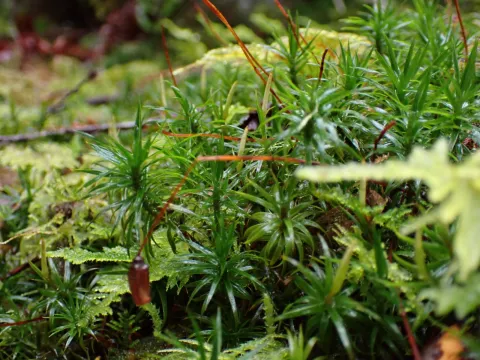
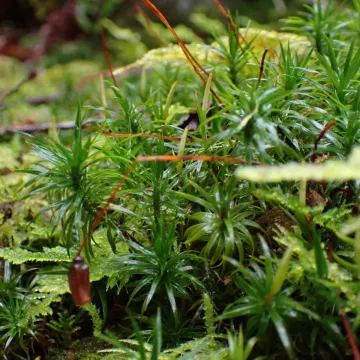
Botanically, it forms dense, deep green cushions. The stems are rigid, bearing narrow, lanceolate leaves that exhibit significant hygroscopic movement, unfolding when wet. The sporophytes are characterized by distinct, quadrangular-shaped capsules elevated on long setae, which is a diagnostic feature of this species compared to others in the family.
Cultivating this moss requires mimicking its natural environment. It demands high humidity, consistent moisture, and acidic growing media. In a garden setting, it should be placed in shaded areas away from direct sunlight. The substrate must be free of excess salts and fertilizers, as mosses absorb nutrients directly from the air and water.
- Environment: cool, shaded, and high-humidity areas.
- Soil pH: acidic (4.5–5.5).
- Maintenance: regular misting, protection from dehydration.
- Propagation: division of established mats or controlled spore dispersal.
The plant is generally resilient to pests. Potential threats include fungal diseases caused by inadequate drainage and stagnant water. Proper air circulation and controlled watering regimes are sufficient to maintain the plant's health, making it a low-maintenance, aesthetically pleasing component for rock gardens or terrariums.
Photo gallery