Pomaderris kumeraho
Pomaderris kumeraho
Description
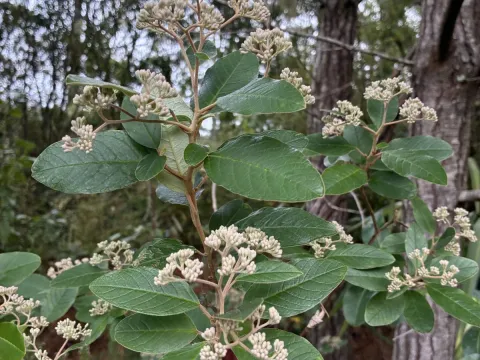
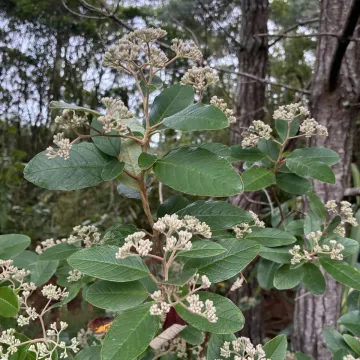
Pomaderris kumeraho, commonly known as kumeraho, is a distinctive evergreen shrub belonging to the Rhamnaceae family. It is a prized species known for its dense, leathery foliage and spectacular displays of golden-yellow flowers that bloom in clusters during the spring season.
Native to New Zealand, specifically the North Island, this plant naturally thrives in clay-based soils, forest margins, and open slopes. Its limited natural range dictates the conditions required for successful cultivation, making it a popular choice for gardeners seeking to integrate native flora into their landscape designs in temperate regions.
Botanically, the plant is characterized by its alternate, dark green leaves with a soft, yellowish, or white tomentose (hairy) underside. The shrub typically grows to a height of 2 to 4 meters. Its branching pattern and foliage density make it a robust candidate for hedging or as a focal point in ornamental garden borders.
Cultivation requires specific environmental conditions, primarily focusing on excellent soil drainage to prevent root rot. It prefers full sun exposure but appreciates shelter from harsh, drying winds. When planting, it is essential to ensure that the site has low nutrient density, as kumeraho does not perform well in overly rich or heavily fertilized soils, which can encourage excessive vegetative growth at the expense of flowering.
In terms of horticultural use, Pomaderris kumeraho is valued for its hardiness once established and its ability to attract pollinators. Common pests include aphids and mites, particularly in greenhouse-raised specimens, while fungal pathogens like powdery mildew may arise if air circulation is poor. Regular pruning after the flowering season helps maintain the plant's health and aesthetic appeal.
- Requires well-draining soil to ensure plant health.
- Avoid using high-phosphorus fertilizers.
- Best propagated through stem cuttings in early summer.
Photo gallery