Porophyllum ruderale
Porophyllum ruderale
Description
Porophyllum ruderale, commonly known as papalo or quillquiña, is an annual herb belonging to the Asteraceae family. It is widely recognized in Latin American cuisine for its distinctive, pungent flavor profile, which serves as a unique alternative or complement to cilantro in various traditional salsa, meat, and bean-based recipes.
Native to the tropical regions of the Americas, this plant thrives in warm and sunny climates. Its natural distribution ranges from the southern United States through Mexico down to South America. It is typically found growing in open, disturbed ground, which explains its scientific epithet 'ruderale', referring to its ability to colonize waste or vacant lands.
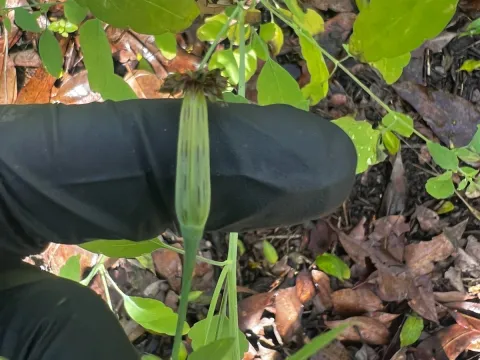
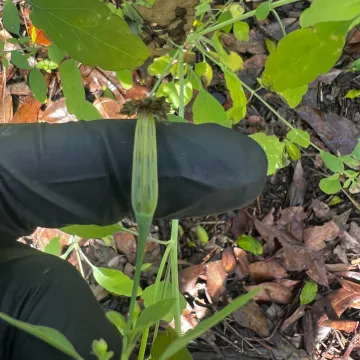
The botanical structure of the plant features upright, branched stems reaching heights of 60 to 100 cm, adorned with blue-green, elliptic leaves. The surface of the foliage is marked with translucent, oil-filled glands that release a potent scent when crushed. Its flowers, arranged in singular capitula, produce seeds equipped with a pappus, facilitating wind dispersal.
For successful cultivation, Porophyllum ruderale requires a sunny location and well-draining, moderately fertile soil. In regions with cooler climates, it is best treated as a container or greenhouse crop to ensure it receives enough warmth. It exhibits high drought tolerance once established, making it a relatively low-maintenance crop, provided it is protected from frost.
Beyond its culinary utility, papalo is valued for its potential in ethnobotanical practices. It is often consumed fresh to enhance flavor and aid digestion. Agriculturally, it is gaining interest as a specialty herb crop for local markets, particularly among chefs looking for authentic ingredients that add a complex, zesty aromatic note to dishes.
Growers should monitor for the following common issues:
- Susceptibility to aphids and spider mites, especially in protected environments.
- Root rot development caused by waterlogged, heavy soils.
- Powdery mildew in areas with high humidity and poor ventilation.
- Competition from invasive weeds during the seedling establishment phase.
Photo gallery