Portulaca eruca
Portulaca eruca
Description
Portulaca eruca is an annual herbaceous plant belonging to the Portulacaceae family. Unlike the common purslane, this species exhibits distinct morphological traits, primarily its specialized leaves and stems that have adapted to arid environments. As a succulent, it manages to maintain high water content in its tissues even in conditions of extreme heat, making it an excellent candidate for cultivation in challenging agricultural climates.
The plant originates from arid and semi-desert regions, where it has evolved to thrive under intense sunlight and limited water availability. Its distribution covers diverse geographical areas characterized by high temperatures. Recently, Portulaca eruca has gained attention in the field of sustainable agriculture as a potential crop for regions suffering from water scarcity and soil degradation.
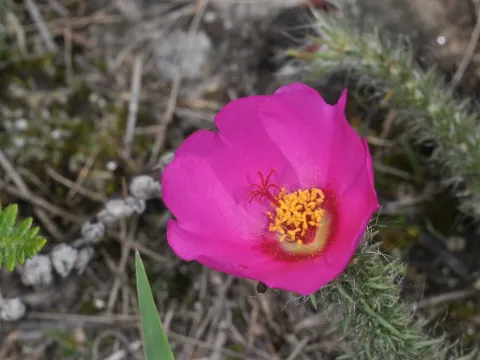
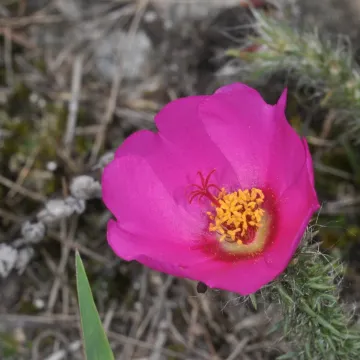
Botanically, the plant is characterized by fleshy, succulent leaves that enable effective moisture retention. It possesses a shallow but efficient root system capable of capturing moisture from light surface irrigation. Its flowers are typically small and self-pollinating, which contributes to its high reproductive success. The plant is notably low-maintenance, requiring minimal input to produce a significant amount of biomass in a relatively short growing cycle.
Regarding agrotechnical requirements, Portulaca eruca thrives in well-drained, sandy, or light loam soils. Proper sunlight exposure is crucial, as shading significantly impacts plant development and nutritional density. The optimal thermal range for growth is between 25°C and 30°C. Irrigation should be carefully managed; excessive moisture is detrimental, as it can lead to root and stem rot. Standard cultivation practices include moderate weed control during the early growth stages.
- Superior drought and heat tolerance.
- Short growing cycle for quick harvest.
- Tolerance to salinity in soil conditions.
- Rich in beneficial micronutrients and vitamins.
- Minimal requirement for artificial fertilizers.
In terms of agricultural use, Portulaca eruca is primarily valued as a hardy green vegetable crop. Its succulent leaves are consumed in various culinary traditions and are recognized for their health benefits. Beyond human consumption, the plant serves as a useful ground cover to protect soil from wind and water erosion in desert-like landscapes. Common pest challenges include aphids and spider mites, while diseases primarily include fungal infections caused by high humidity and lack of air circulation around the canopy.
Photo gallery