Posidonia australis
Posidonia australis
Description
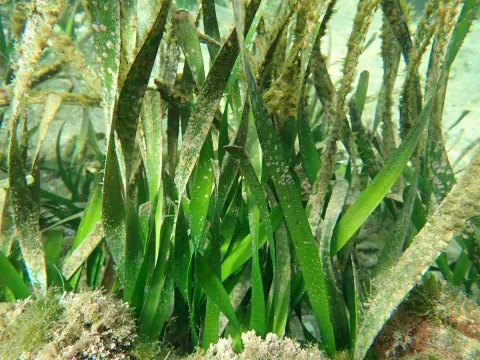
Posidonia australis is a species of seagrass in the family Posidoniaceae. Known commonly as fibrous ball weed or simply as a dominant seagrass, it is an essential marine flowering plant that forms extensive underwater meadows along the coastline of Australia. These ecosystems are highly productive and vital for maintaining the health of coastal marine environments.
The origin and distribution of this plant are confined to the temperate waters of Australia, specifically along the southern and western coastlines. It thrives in shallow, clear coastal waters where it anchors into sandy or muddy substrates using its resilient rhizome system. This anchoring mechanism allows the plant to persist in high-energy environments, effectively stabilizing the seabed.
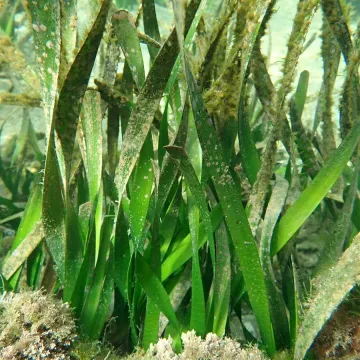
Botanically, Posidonia australis consists of long, ribbon-like leaves emerging from thick, woody rhizomes. It reproduces through both sexual means, by producing flowers and fruits, and asexual fragmentation. The species is known for its remarkable longevity, with individual clones potentially surviving for thousands of years, creating stable habitats that support a vast array of biodiversity.
Cultivation, or more accurately, ecological restoration, requires strict adherence to environmental parameters. The plant needs high water clarity, specific salinity ranges, and stable temperature profiles to thrive. Restoration efforts involve manual transplantation of rhizome fragments into degraded areas, which necessitates monitoring of sediment stability and preventing physical disturbance from maritime activities.
From a socioeconomic perspective, the plant is highly valued for its 'blue carbon' sequestration capacity, helping to mitigate the effects of climate change. Furthermore, these seagrass beds are critical nursery grounds for various commercial fish and crustacean species, directly supporting the stability of coastal fisheries and local marine economies.
The primary threats to Posidonia australis include:
- Coastal development and dredging activities.
- Nutrient runoff causing algal blooms that block sunlight.
- Mechanical damage from boat anchors and propellers.
- Ocean warming leading to physiological heat stress.
- Increased frequency of extreme storm events.
Photo gallery