Posoqueria latifolia
Posoqueria latifolia
Description
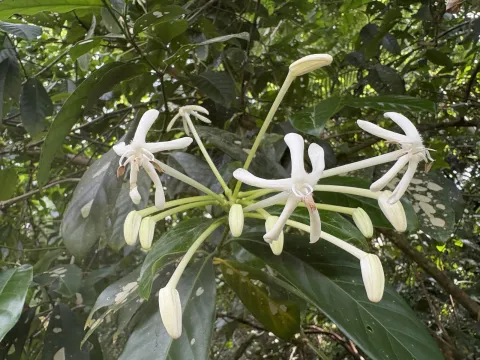
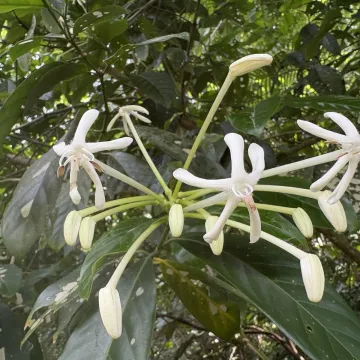
Posoqueria latifolia is a perennial woody plant belonging to the Rubiaceae family. Known for its distinct structural morphology, it grows as a small tree or large shrub and is highly regarded in its native habitat for its dark, glossy foliage and fragrant, unique tubular flowers.
The plant is native to the tropical regions of Central and South America. It typically thrives in humid rainforest environments, requiring stable, warm temperatures throughout the year to maintain healthy physiological processes and consistent fruit production.
Botanically, it features a specialized pollination mechanism adapted for long-tongued insects, such as hawkmoths. The fruit is a large, edible berry that contains numerous seeds embedded in pulp, which serves as a food source for local wildlife and contributes to the plant's propagation within its native range.
Agricultural requirements for Posoqueria latifolia include deep, nutrient-rich soils with good drainage properties. It is essential to avoid waterlogged soil conditions, which can lead to root system decay. The species prefers a climate with high humidity and protection from cold winds or frost, making it ideal for tropical greenhouse cultivation or subtropical gardens.
In terms of хозяйство usage, the plant is primarily harvested for its edible berries. However, its aesthetic qualities have also made it a candidate for inclusion in botanical collections and tropical landscaping. Management of the plant includes monitoring for pests like scale insects and ensuring proper air circulation to prevent fungal foliage diseases.
- Family: Rubiaceae
- Plant type: Evergreen shrub or tree
- Climate: Tropical and humid
- Fruit type: Edible berry
- Main requirement: Well-drained, fertile soil
Photo gallery