Potalia amara
Potalia amara
Description
Potalia amara is a perennial evergreen shrub belonging to the Gentianaceae family. In its native tropical habitat, it often grows as a medium-sized shrub, displaying robust morphological features that allow it to thrive in the complex ecological niche of the rainforest understory.
The plant is native to the tropical regions of South and Central America, particularly within the Amazon basin. It is typically found in primary and secondary rainforests, where it benefits from the constant humidity and the filtered light typical of dense jungle environments.
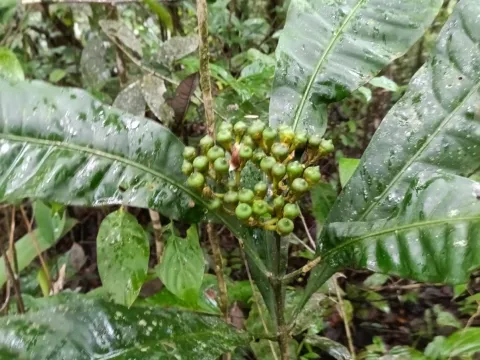
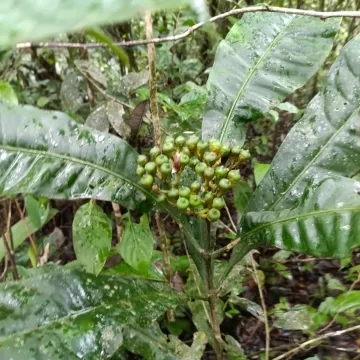
Botanically, Potalia amara is characterized by large, glossy, opposite leaves and white or cream-colored flowers arranged in characteristic clusters. The plant's root system is well-developed, designed to efficiently absorb nutrients from the nutrient-rich, decaying organic layer of the forest floor.
Regarding climate and cultivation requirements, the species demands high temperatures and consistent moisture throughout the year. It does not tolerate prolonged dry periods or direct, scorching sunlight. The soil should be slightly acidic, rich in organic matter, and provide excellent drainage to prevent root rot in high-humidity conditions.
The economic and historical use of the plant is primarily tied to traditional medicine, where it is utilized for its potent bitter qualities. These qualities are attributed to its chemical composition, which includes various alkaloids and iridoid glycosides. While it remains primarily a subject of ethnobotanical interest, ongoing research explores its potential pharmacological applications.
- Family: Gentianaceae
- Plant type: Evergreen shrub
- Native region: South America
- Key active compounds: Iridoid glycosides
- Preferred light: Partial shade
Photo gallery